Hey there! I’m a supplier of Rosemount Level Transmitters, and today I’m gonna share with you how to set up the parameters of these awesome devices. Rosemount Level Transmitter
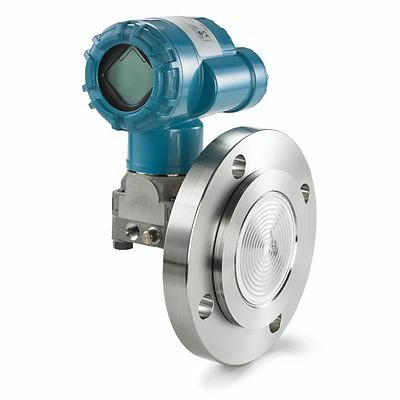
First off, let’s understand why parameter setting is so important. The Rosemount Level Transmitter is a high – tech piece of equipment that measures the level of liquids or solids in a tank or container. If the parameters aren’t set correctly, you’re not gonna get accurate readings, and that can lead to all sorts of problems in your industrial processes.
1. Understanding the Basics
Before you start setting the parameters, it’s crucial to know what kind of measurement you’re dealing with. Are you measuring the level of a liquid in a closed tank? Or maybe it’s a solid material in a silo. Different applications require different parameter settings.
The Rosemount Level Transmitter uses various technologies like radar, ultrasonic, or guided wave radar. Each technology has its own set of parameters that need to be adjusted. For example, if you’re using a radar – based transmitter, you’ll need to consider things like the frequency of the radar signal, the antenna type, and the dielectric constant of the material you’re measuring.
2. Initial Setup
When you first get your Rosemount Level Transmitter, the first step is to power it up. Make sure you use the correct power supply as specified in the manual. Once it’s powered on, you’ll usually see a display on the device. This display will show you the current status and some basic information.
Next, you need to connect the transmitter to your control system. You can do this via a wired connection like an Ethernet cable or a wireless connection if the transmitter supports it. This connection allows the transmitter to send the measured data to your control system for further processing.
3. Setting the Zero and Span
One of the most important steps in parameter setting is setting the zero and span values. The zero value represents the lowest level of the material in the tank, and the span represents the highest level.
To set the zero, you need to make sure the tank is empty. Then, using the transmitter’s interface, you can set the zero point. This tells the transmitter that when it measures this level, it should output a signal corresponding to zero.
For the span, fill the tank to its maximum capacity. Again, use the interface to set the span value. This way, the transmitter knows what signal to output when the tank is full.
4. Adjusting the Measurement Range
The measurement range is another key parameter. You need to define the minimum and maximum levels that the transmitter will measure. This is important because if you set the range too small, you might not be able to measure the full capacity of the tank. On the other hand, if you set it too large, the measurement accuracy might be affected.
To adjust the measurement range, you can use the menu on the transmitter. Look for options like "Measurement Range" or "Range Settings". Enter the minimum and maximum values according to your tank’s specifications.
5. Compensation for Environmental Factors
Environmental factors can have a big impact on the accuracy of the level measurement. Things like temperature, pressure, and humidity can all affect the performance of the Rosemount Level Transmitter.
Most Rosemount transmitters have built – in compensation features. For example, if the temperature changes, the transmitter can adjust the measurement to account for the expansion or contraction of the material. You can enable these compensation features in the parameter settings. Look for options like "Temperature Compensation" or "Environmental Compensation".
6. Calibration
Calibration is an essential part of parameter setting. It ensures that the transmitter is providing accurate measurements. You can perform a calibration using a known reference level.
There are different types of calibration methods, such as wet calibration and dry calibration. Wet calibration involves filling the tank with a known volume of liquid and comparing the measured level with the actual level. Dry calibration, on the other hand, uses a reference target at a known distance.
To perform a calibration, follow the instructions in the transmitter’s manual. Usually, you’ll need to access the calibration menu and follow the step – by – step procedure.
7. Troubleshooting Parameter Setting
Sometimes, you might encounter problems when setting the parameters. For example, the display might show an error message, or the measurements might be inaccurate.
If you get an error message, check the manual to see what it means. It could be something as simple as a loose connection or a misconfigured parameter.
If the measurements are inaccurate, double – check the zero and span settings. Also, make sure the environmental compensation features are enabled correctly.
8. Safety Considerations
When setting the parameters of the Rosemount Level Transmitter, safety should always be a top priority. Make sure you follow all the safety guidelines in the manual.
For example, if you’re working in a hazardous environment, make sure the transmitter is rated for that environment. Also, when handling the transmitter, be careful not to damage it.
9. Training and Support
If you’re new to using Rosemount Level Transmitters, it’s a good idea to get some training. Many suppliers offer training courses on how to set up and use their products.
Also, if you have any questions or encounter problems during the parameter setting process, don’t hesitate to contact the supplier’s support team. They can provide you with valuable advice and assistance.
10. Conclusion
Setting up the parameters of a Rosemount Level Transmitter might seem a bit daunting at first, but with a little knowledge and practice, it can be a straightforward process. By following the steps I’ve outlined above, you can ensure that your transmitter is set up correctly and providing accurate measurements.
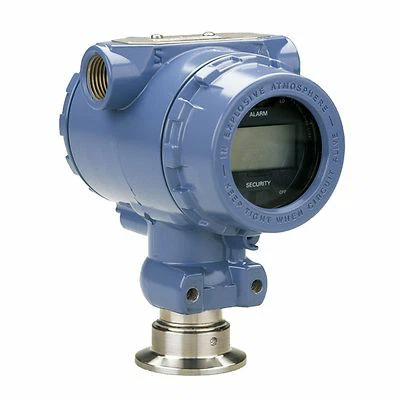
If you’re in the market for a Rosemount Level Transmitter or need help with parameter setting, don’t hesitate to reach out. We’re here to assist you every step of the way. Whether you’re a small business or a large industrial operation, we can provide you with the right solutions for your level measurement needs. So, if you’re interested in purchasing a Rosemount Level Transmitter or want to discuss your requirements further, just drop us a message. We’re eager to start a conversation with you and help you get the most out of your level measurement equipment.
Yokogawa Temperature Transmitter References:
- Rosemount Level Transmitter User Manual
- Industrial Instrumentation and Process Control textbooks
Iges Instrument Co., Ltd.
With abundant experience, we are one of the most professional rosemount level transmitter suppliers in China. Please feel free to buy high quality rosemount level transmitter in stock here and get quotation from our factory. Good service and low price are available.
Address: No. 2328 Chenqiao Road, Fengxian District, Shanghai
E-mail: 12345@seo.com.cn
WebSite: https://www.iges-inst.com/
