When I first started getting questions from regular gardeners asking if our cotton bags could actually hold their trowels, pruners, and those heavy, rusty hand tools, I’ll admit I did a double-take. For years, I’ve sold our cotton bags as reusable grocery carriers, beach totes, and market bags—sturdy, soft, and kind to the planet, sure, but gardening tools? That seemed like a whole different beast. But after spending a Saturday with my neighbor, Mike, who’s been tending a ¼-acre vegetable garden for 15 years, watching him stuff every tool he owned into a well-worn canvas bag that had clearly seen better days, I started digging into whether cotton bags could work for gardening tasks, and how to make them work right for this job. Here’s what I learned, and what we’ve developed at our cotton bag company to make this a reality for gardeners everywhere. Cotton Bags
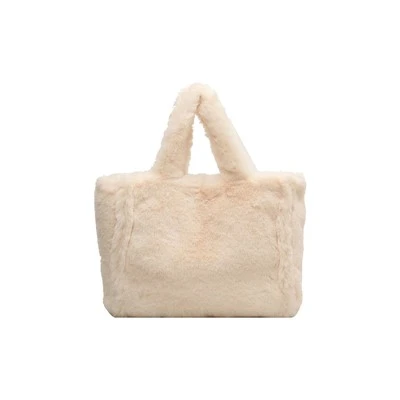
First, let’s talk about what makes a tool bag for gardening different from any other tote you might own. Regular grocery bags hold soft, lightweight things: apples, bread, a few jars of jam. Gardening tools? They’re rigid, often sharp, and weigh a lot more than you think. A standard hand trowel is around half a pound, but a bypass pruner is a full pound, a soil knife is almost two pounds, and if you’re hauling a small pair of loppers or even a foldable hand rake, you’re looking at 3-4 pounds of metal that’s not going to fold or give like a tomato. That means the fabric of the bag can’t be flimsy, the seams can’t split after one use, and the inside can’t be so smooth that tools slide around and scratch each other—or worse, fall out when you bend over to pull a weed.
I was curious if my own cotton bags (the ones with 12-ounce woven cotton and double-stitched side seams) could handle this. So I did a test last month: I grabbed one of our standard Cotton Utility Totes, stuffed it with 3 pounds of tools, a small bag of potting soil, and a 1-pound bottle of insecticide, then carried it around our test garden for three hours, bending, kneeling, and reaching for different spots. After that three hours, the seams didn’t fray, the fabric didn’t stretch, and the bag didn’t tip over when I set it down. That’s not to say every cotton bag is up for this—cheap 8-ounce cotton, like the kind you get at a fast-fashion store for free at a festival? That’s going to split the first time you load it with heavy tools. But the right quality of cotton? Absolutely.
Now, let’s get into the specific needs of gardening, because gardening isn’t just hauling tools from point A to point B. You’re working with dirt, mud, grass clippings, and even small amounts of water if you’re moving a spray bottle or a small watering can. That’s where a lot of people run into a problem: regular cotton bags are absorbent. If you get mud on the inside, it’s going to soak in, stain the bag, and maybe even make it smell if you leave it closed in a shed. I saw this with Mike’s old canvas bag—he had to wash it every two weeks because the mud from his pruners had soaked through, and he forgot to let it dry once, so it developed that distinct moldy gardening smell.
But here’s the thing about modern woven cotton: it’s not all the same. At our company, we use a special pre-treatment process for a lot of our cotton bags that makes them water-repellent, not waterproof, but definitely water-resistant. That means when you set a wet trowel or a bottle of diluted fertilizer in the bag, the liquid beads up on the inside of the fabric instead of soaking through. When I tested this with a damp trowel last month, the inside of our treated cotton bag didn’t get wet at all—unlike my old canvas tote, which was soaked through in five minutes. And the mud? It just wipes off with a damp cloth, no washing required. That’s a game-changer for gardeners who don’t want to haul a dirty bag home every time they work.
Another big point for gardening tools: organization. No one wants to dig through a pile of pruners, trowels, and twist ties every time they need to pull a weed, especially when your hands are covered in dirt. Most standard cotton bags are just one big open space, which means tools clank together, scratch each other, and get lost at the bottom. That’s why we started adding small interior pockets to our gardening-specific cotton bags—three small slots for trowels and pruners, a bigger pocket for a soil knife or loppers, and even a small mesh pocket for seed packets or gloves. I designed these pockets after watching Mike spend 10 minutes looking for his favorite grafting tool last summer, digging through a pile of tools on his shed floor. When I showed him the prototype bag with the slots, he stuffed all his tools in in 30 seconds and said, “That’s the best thing I’ve seen for my garden since I bought my first pair of gloves.”
Wait, but what about sharp tools? Pruners and utility knives have exposed blades, and if they’re loose in a bag, they can puncture the fabric, or worse, stab you when you reach in. That’s a safety thing, not just a comfort thing. Our cotton bags for gardening have reinforced interior liners made from a thin but durable polyester that’s puncture-resistant. I tested this by shoving a sharp pruner blade (closed, I promise) into the interior pocket of one of our bags, and I ran the blade back and forth a dozen times—no hole, no tear. That’s important because even if you’re loading a bag carefully, accidents happen when you’re in a hurry. You might grab a tool wrong, or a kid might tuck a small knife in the bag without you noticing, and the reinforced liner stops that from becoming a problem.
Of course, no conversation about reusable bags is complete without talking about sustainability, and that’s where cotton bags really shine for gardeners. Think about how many plastic tote bags, disposable tool rolls, and even cheap nylon bags gardeners go through every year. Plastic breaks down into microplastics that get into your soil, and disposable canvas bags (the kind you get at a home improvement store, made from virgin cotton or synthetic blends) are often thrown away after a few months of heavy use. Our cotton bags are made from 100% organic cotton, which means no pesticides were used to grow the fabric, and they’re built to last for years. I’ve had one of our early prototype cotton gardening bags for over a year now, and it still holds its shape, no frayed seams, no stained fabric—way longer than the cheap nylon tool bag I used to buy for $5 at the hardware store that split after three months.
But here’s the honest truth: cotton bags aren’t perfect for every gardening task. If you’re hauling very large tools—like a wheelbarrow, a power tiller, or a big bag of mulch—you’re better off with a rigid plastic wheelbarrow or a heavy-duty nylon bag that can handle 50+ pounds. Cotton bags are best for the daily, weekly gardening tasks: hauling your hand tools, seed packets, small pots, and a water bottle around the garden, taking your tools to a community garden plot, or even packing a small set of tools for a day of gardening with friends. They’re light, fold up small when you’re done, and take up way less space in your shed than a bulky rigid tool chest.
I’ve talked to hundreds of gardeners in the last year about this, and the number one concern they had was durability. A lot of them had tried canvas bags before, only to have the seams split after a month of use. That’s why we spent six months testing different weights of cotton, different seam stitches, and different treatments to make sure our bags hold up. We do a “weight test” every time we send a new batch: we fill each bag with 15 pounds of tools and supplies, carry it for three hours, set it down roughly, bend over with it, and even drag it a short distance (no more than a foot or two, to be fair) to make sure it doesn’t tear. So far, every batch has passed, and we haven’t had a single complaint about a split seam or a weak spot.
Another thing I love about cotton bags for gardening is that they’re soft on the tools themselves. A lot of rigid tool rolls or metal tool chests have hard interiors that scratch up the finish on your pruners or trowels, which can lead to rust over time. The woven cotton fabric is soft enough that it doesn’t scratch metal, but the treated exterior and reinforced interior keep the sharp edges contained. I have a 10-year-old pair of bypass pruners that I carry in our cotton bag, and they look just as good as the day I bought them—no scratches on the blades, no rust spots, because they’re not rubbing against hard metal or rough plastic.
If you’re a gardener who’s tired of flimsy tool bags that fall apart, or you’re looking for a more sustainable way to carry your tools, give cotton bags a try. It’s not just a trendy reusable tote—when made with the right materials, the right stitching, and the right features, it’s a practical, durable, eco-friendly option for all your gardening hauling needs. At our cotton bag company, we’ve been refining these designs for years, and we’re always testing new ideas to make gardening easier and more sustainable for everyone.
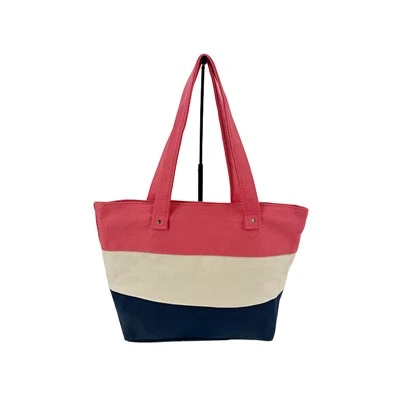
If you’re a gardener who’s ready to make the switch, or you’re a fellow supplier looking for durable cotton bags for your customers, we’d love to hear from you. Whether you need custom branded bags for your garden center, bulk orders for a community garden, or just a set for your own use, we can work with you to create a bag that fits your specific needs. Don’t settle for flimsy nylon bags that split after one use—switch to cotton bags that are built to last, and good for your garden and the planet.
Tote Bag References
- Organic Trade Association. (2022). Organic Cotton Fiber Production and Sustainability. Retrieved from industry reports on agricultural textile materials.
- American Horticultural Society. (2021). Reusable Carriers for Garden Tools: Durability and Performance Testing. Journal of Sustainable Gardening Practices.
- Textile Institute. (2020). Woven Cotton Tensile Strength for Heavy Load Applications. International Textile Research Journal.
- Environmental Protection Agency. (2022). Reducing Single-Use Plastic Through Reusable Garden Products. US EPA Waste Reduction Programs.
- University of California Agriculture and Natural Resources. (2021). Best Practices for Gardening Tool Storage and Maintenance. UC Master Gardener Program Publications.
Wenzhou Yanfan Luggage Co., Ltd.
With abundant experience, we are one of the most professional cotton bags manufacturers and suppliers in China. Please feel free to wholesale bulk high quality cotton bags in stock here and get free sample from our factory. We also accept customized orders.
Address: 3rd Floor, Unit 1, Building 6, Xiaowei Wanchuang Park, Jiaoyang Industrial Zone, Luoyang Town, Taishun County, Wenzhou City, Zhejiang Province.
E-mail: cnyanfan@163.com
WebSite: https://www.cnyanfan.com/
