What is the best way to transport tables and chairs?
As a seasoned supplier of tables and chairs, I’ve faced my fair share of challenges when it comes to transporting these essential pieces of furniture. Over the years, I’ve learned that the key to successful transportation lies in a combination of careful planning, appropriate packaging, and the right choice of transport method. In this blog post, I’ll share my insights on the best way to transport tables and chairs, drawing on my experiences and industry knowledge. Tables and Chairs
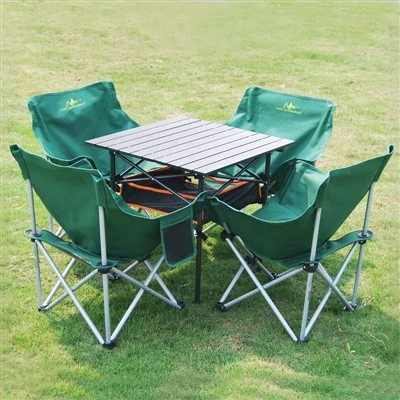
Understanding the Nature of the Furniture
Before embarking on the transportation process, it’s crucial to understand the unique characteristics of the tables and chairs you’re dealing with. Different materials, designs, and finishes require different handling techniques. For example, wooden furniture is more susceptible to scratches and dents, while metal or plastic pieces may be more durable but still need protection from moisture and rust.
When dealing with antique or high – end tables and chairs, extra care is required. These pieces often have intricate details and delicate finishes that can be easily damaged during transit. On the other hand, commercial – grade furniture may be more robust but could still be heavy and awkward to move.
Planning Ahead
Proper planning is the foundation of a successful transportation process. Start by assessing the quantity and size of the tables and chairs to be transported. This will help you determine the appropriate vehicle size and the number of trips required, if necessary.
Create a detailed inventory of all the items, including dimensions, weight, and any special handling instructions. This inventory will be useful for both packing and tracking the items during transit. It also helps in case there are any issues with insurance claims.
You should also consider the destination and the route. If the destination is in a busy urban area, traffic and limited parking can pose challenges. In contrast, long – distance transportation may require additional considerations such as rest stops and overnight storage.
Packaging
Effective packaging is essential to protect tables and chairs during transportation. For tables, start by removing any detachable parts such as leaves or legs. This not only makes the table easier to handle but also reduces the risk of damage. Wrap each part individually in bubble wrap or furniture blankets to provide a cushioning layer.
Chairs should be wrapped in a similar manner. For chairs with fabric or leather seats, use a protective cover to prevent stains and scratches. Stack the chairs carefully, but make sure they are not over – crowded to avoid damage.
For heavy – duty or industrial – strength furniture, additional packing materials such as corner protectors and strapping may be necessary. These help to reinforce the structure and prevent the furniture from shifting during transit.
Choosing the Right Transport Method
There are several transport methods available, each with its own advantages and disadvantages.
1. Self – Transport
If you have a small number of tables and chairs to move, self – transport using a pickup truck or a van may be a viable option. This gives you more control over the process and can be cost – effective. However, you need to ensure that the vehicle is large enough to accommodate the furniture without overloading or causing damage. You’ll also need to secure the furniture properly to prevent it from shifting during the journey.
2. Professional Moving Company
For larger quantities or more valuable items, hiring a professional moving company is often the best choice. Professional movers have the experience, equipment, and manpower to handle the transportation safely and efficiently. They are also insured, which provides an added layer of protection in case of any damage during transit.
When choosing a moving company, look for one with a good reputation in the industry. Check online reviews, ask for references, and compare quotes from different companies. Make sure the company is licensed and insured, and that they have experience in transporting furniture.
3. Freight Shipping
If you’re transporting tables and chairs over long distances or to multiple locations, freight shipping may be the most practical option. Freight carriers can handle large volumes of goods and offer various shipping options, including ground, air, and sea freight.
When using freight shipping, you’ll need to ensure that the furniture is properly packed and labeled. You may also need to provide detailed information about the shipment, such as the weight, dimensions, and the value of the items. Freight shipping can be more cost – effective for large orders, but it may take longer for the items to reach their destination.
Loading and Unloading
The loading and unloading process is another critical phase in the transportation of tables and chairs. When loading, start by placing the heaviest and largest items at the bottom of the vehicle or container. This provides a stable base and helps to prevent the lighter items from being crushed.
Use ramps or lift gates to ease the loading and unloading process, especially for heavy furniture. Make sure the furniture is secured firmly to prevent it from moving during transit. Tie – down straps, bungee cords, or furniture blankets can be used to secure the items in place.
During unloading, take the time to inspect each item for any signs of damage. If any damage is found, document it immediately and notify the relevant party, such as the moving company or the insurance provider.
Post – Transportation Checks
Once the tables and chairs have arrived at their destination, it’s important to conduct a final inspection. Check for any scratches, dents, or other damage that may have occurred during transit. If the furniture was disassembled for transportation, reassemble it according to the manufacturer’s instructions.
Test the functionality of the tables and chairs. Make sure that all the joints are secure and that the chairs are stable. If you notice any issues, address them promptly to ensure that the furniture is in top – notch condition for use.
Conclusion

Transporting tables and chairs requires careful planning, appropriate packaging, and the right choice of transport method. By understanding the nature of the furniture, planning ahead, and taking the necessary precautions during the loading, unloading, and transportation process, you can ensure that your tables and chairs arrive at their destination in excellent condition.
Tables and Chairs If you’re in the market for high – quality tables and chairs and want to discuss the best way to transport them, I’m here to help. I have extensive experience in supplying and transporting all types of tables and chairs, and I’m confident that I can provide you with the best solutions for your needs. Whether you’re a retailer, a restaurant owner, or an individual looking for furniture, feel free to reach out to me for a consultation.
References
- "Furniture Moving Guide," HomeAdvisor.
- "Packing and Shipping Furniture," The UPS Store.
- "Transporting Furniture: A Comprehensive Guide," Moving.com.
Anhui Lilan Furniture Co., Ltd.
As one of the most professional tables and chairs manufacturers and suppliers in China, we have world-leading production equipment and strong manufacturing capabilities. Please feel free to wholesale high quality tables and chairs made in China here from our factory. Customized orders are welcome.
Address: East of Xianghe Road, Feidong New District, Hefei City, Anhui Province
E-mail: 13739262376@139.com
WebSite: https://www.lilanjj.com/
