Hey there, let’s talk about something we’ve all dealt with at some point—stepping into an emergency department (ED). If you’ve ever rushed in with a panic attack, a random sharp chest pain, or a kid who just ate something they shouldn’t have, you know it’s chaotic. But what actually goes on behind those busy swinging doors, and what should you expect when you’re there? As a Hospital Patient Care provider, I’ve seen hundreds of people walk through those doors, nervous and confused, so I’m breaking this down like we’re chatting over coffee—no stuffy medical jargon, promise. Hospital Patient Care
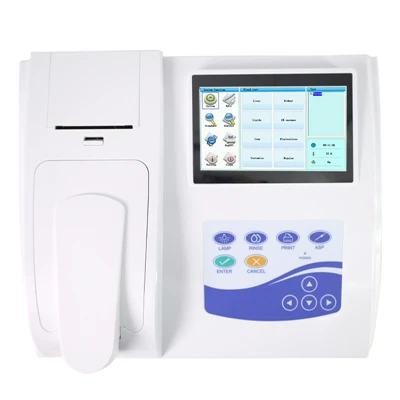
First off, let’s get one thing straight: EDs aren’t like your regular doctor’s office. You can’t just book a 10 AM appointment and show up ready to go. They work on a triage system, which is basically their version of “who needs help first.” No, that’s not biased—when someone walks in with a pulse and a breathing tube already being placed, they get seen before you if you’re there with a sprained ankle. It’s brutal, but it’s science. Triage nurses (those rockstars in scrubs with the stethoscopes around their necks) run you through the front desk first. They’ll ask why you’re here, take your vitals (blood pressure, heart rate, temp, oxygen levels), and tag you with a color or a number—like Level 1 for life-threatening stuff, Level 5 for things that can wait a few hours. If you show up upset because your stomachache “should be higher priority,” save it. They’re just doing their jobs to keep everyone alive.
Once you’re triaged, you’ll wait. And I mean, you might wait. A lot. On a Saturday night, during a flu wave, or when there’s a mass casualty event (like a car crash with multiple people), wait times can stretch to 6+ hours. I’ve had a dad come in with his 2-year-old running a 104°F fever and wait 3 hours because a truck crash just dumped 8 people in. It sucks, but it’s not personal. The ED is understaffed more often than not, too—hospitals are struggling to hire nurses and physicians these days, so that bottleneck only gets worse. Pro tip: if you’re not dying, maybe urgent care is a better bet for things like ear infections, minor cuts, or sinus issues. Save the ED for actual emergencies—your wallet (and the nurses) will thank you.
When it’s your turn, you’ll get placed in a room (or a hallway bed, if it’s super packed—yes, that happens). The team here is a mix: a doctor, a nurse, maybe a tech, and sometimes a resident or student. They’ll ask you to repeat your story, so try to be as clear as possible. Don’t say “my stomach hurts” and leave it at that. Say “my stomach started hurting 2 hours ago, right after I ate that bad sushi, and it’s sharp on the right side—can’t stand up straight.” Specifics help them narrow it down fast. They’ll do tests, too: blood work, X-rays, EKGs, maybe a CT scan. Some people hate the X-ray techs, but those folks are pros at moving you around without making you more uncomfortable. If you’re nervous, just say so—they’ll talk you through every step.
Here’s a big one: medication. You might get pain meds, antibiotics, something to calm you down, but not always right away. The nurse has to check your vitals, confirm it’s safe, and make sure you’re not allergic. I’ve seen people get mad because they waited 2 hours and still didn’t get a Tylenol, but trust me—they’re not ignoring you. If they give you something, it’s because it’s needed. Also, if you have allergies or take meds regularly (like blood thinners, antidepressants, whatever), TELL THEM. I once worked with a patient who almost had a bad reaction because they forgot to mention they take warfarin—don’t be that person.
Once they figure out what’s wrong, there are a few outcomes. Either they send you home with instructions—like “take this antibiotic for 10 days, come back if you have a fever over 102” or “ice your ankle for 20 mins every hour”—or they admit you to the hospital for more care. Admitting means you get moved to a ward, and that process can take another 1-2 hours because they have to find a bed, get your charts, and coordinate with the floor team. If you’re sent home, make sure you understand the instructions. Ask questions. Write them down. Your cousin might tell you “oh I had that same thing” but don’t follow their advice—only do what the ED team says.
Now, let’s talk about what not to expect: a nice, quiet room with Netflix and a side of snacks. EDs are loud. Beeps, people talking fast, a crash cart being wheeled down the hall at 2 AM. It’s not a hotel. Also, don’t expect updates every 5 minutes. The team is bouncing between 10 rooms, so if you haven’t seen anyone in 30 minutes, it’s not that they forgot you—they’re busy keeping someone else alive. That said, if you’ve been waiting way longer than the estimated time (triage will give you a rough idea), flag down a nurse or tech. They’ll check in.
As a Hospital Patient Care provider, I see the gaps all the time. EDs are stretched thin, and patients often leave frustrated because they didn’t get the care they thought they’d get right away. That’s why we work with hospitals to make the process smoother—extra staff, better supply chains, things that take the pressure off so nurses can focus on you instead of chasing bandages or updating paperwork. Because let’s be real: no one wants to be in the ED, but when you have to be, you want to feel like you’re in good hands.
Wait, let’s address the elephant in the room: mental health emergencies. A lot of ED patients are there for anxiety, depression, or suicidal thoughts. The ED isn’t a mental health facility, so wait times for these patients can be even longer. We partner with hospitals to have dedicated mental health navigators who help connect patients to long-term care when they’re stabilized, because treating a crisis is only half the battle. If you’re in crisis, know that the ED will keep you safe in the moment, but there’s help beyond those walls.
Another thing: privacy. You might be in a shared room, so keep that in mind when you’re talking about personal stuff (like substance use or sexual health). The team is bound by HIPAA, so they won’t tell anyone, but other patients might overhear. If you need more privacy, ask—if there’s a private room available, they’ll put you in it.
Let’s wrap this up with a quick, no-BS guide for when you have to go to the ED: 1) Only go for real emergencies (chest pain, difficulty breathing, severe bleeding, head injury, fever in a baby under 3 months). 2) Bring a list of meds you take, allergies, and your insurance card. 3) Be clear and specific about your symptoms. 4) Don’t get mad about wait times—they’re not personal. 5) Ask questions if you don’t understand something.
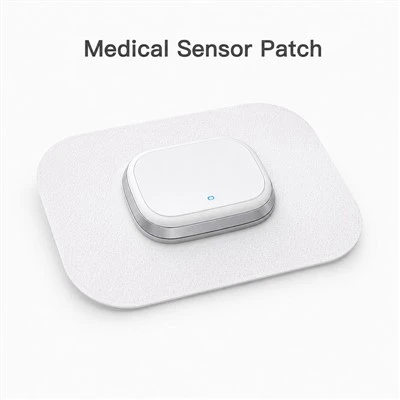
If you work in a hospital or manage patient care services and want to make your ED’s process better, reach out to us. We specialize in supporting ED teams with the resources they need to care for patients faster and more compassionately. No confusing sales pitches, just real solutions for real hospital needs.
Diabetes Healthcare References:
- American College of Emergency Physicians. (2022). "Understanding the Emergency Department: A Guide for Patients and Families."
- Centers for Disease Control and Prevention. (2023). "Emergency Department Utilization Trends in the United States."
- Institute for Healthcare Improvement. (2021). "Reducing Wait Times and Improving Patient Experience in Emergency Departments."
- National Association of Emergency Medical Technicians. (2022). "Triage Protocols and Patient Care Standards for Emergency Departments."
- World Health Organization. (2020). "Global Guidance on Emergency Department Capacity and Patient-Centered Care."
Eurosun Technology (Shanghai) Co., Ltd.
As one of the most professional hospital patient care equipment manufacturers and suppliers in China, we have world-leading production equipment and strong manufacturing capabilities. We warmly welcome you to wholesale high quality hospital patient care equipment in stock here from our factory.
Address: No.485, Xingmei Road, Minhang District, Shanghai
E-mail: eurosun6661216@163.com
WebSite: https://www.eurosunmedical.com/
