Hey there, this is Jake, and I’ve been in the PVC wood grain film game for over a decade—so I get it when someone stops to ask, “Wait, can this stuff actually go on bookshelves?” I’ve had this question a hundred times, from random handymen at home improvement stores to interior designers picking materials for a client’s whole home library. Let’s cut through the noise here, no fancy industry jargon, just real talk from someone who’s shipped this film to guys who’ve revamped their grandma’s old bookshelf and big cabinet shops alike. PVC Wood Grain Film

First, let’s make sure we’re on the same page about what PVC wood grain film actually is, because a lot of folks mix it up with regular vinyl or even actual wood veneer. It’s a thin, flexible PVC sheet printed with a super realistic wood grain pattern, and it has a pressure-sensitive adhesive (PSA) on the back—you just peel and stick it, basically. Unlike real wood, it doesn’t warp if it gets a little humid, it’s way cheaper, and it doesn’t need constant staining or sealing. But when we’re talking bookshelves, that’s not just a random surface—bookshelves take a beating, right? They’re loaded up with heavy textbooks, cookbooks, all those hardcovers that have sharp corners. They get set down on, scraped when you yank a book out, even spritzed with a little water if someone knocks over a glass of iced tea. So can PVC wood grain film hold up to that?
Let’s start with the good stuff, because that’s why you’d even consider it. For starters, it sticks like crazy if you prep the surface right. I’ve seen guys do this on old, beat-up particleboard bookshelves that were starting to flake, and after a quick sand, wipe with isopropyl alcohol, and peel-and-stick job, they look like brand new solid wood shelves. The flexibility is a game-changer too—bookshelves have those little rounded edges, or the inset panels on the side, and this film stretches just enough to get into all the nooks without bubbling too bad. No trimming perfect strips with a saw, no waiting for glue to dry. You can have an old bookshelf transformed in an afternoon.
Then there’s the durability factor, which is huge for something that’s going to hold heavy stuff. Our standard PVC wood grain film has a 120-micron topcoat that’s scratch-resistant. I’m not saying it’s indestructible—if you drag a metal chair leg across it at full force, yeah, you might get a mark—but it’s way more resistant than paint or even some thinner veneers. And it’s moisture-resistant too. I had a customer in Florida last year who wrapped all his bookshelves in his kid’s playroom, and that place gets so humid during summer that the wood shelves started to swell. The PVC film didn’t bubble, didn’t peel, nothing. He just wiped it down with a damp cloth when the kids spilled juice, no problem. That’s a big win over actual wood, which will get warped if it’s not sealed properly, especially in a space that’s not temperature-controlled.
Wait, but let’s be real—there are downsides, and I’m not gonna hide that. First, it’s not as heat-resistant as real wood. If you set a hot coffee mug straight off the stove on it, you’ll get a white ring, same as you would on wood, but it’s a lot harder to sand that out. You can’t refinish it the way you can a solid wood bookshelf—if it gets a big scratch or a tear, you gotta either patch the spot or re-wrap the whole shelf. Also, some people say it looks “fake” up close, and I get that. If you pick a cheap, low-quality film, the grain will look printed, not textured. But our top-tier line has a embossed surface, so it actually feels like real wood when you run your finger over it. I’ve had people walk up to a shelf we wrapped and ask where we got the real oak, no clue it’s PVC.
Another thing to consider is the type of bookshelf you’re working with. If it’s a new bookshelf made from MDF or particleboard, that’s ideal—smooth, even surface, no knots or rough spots that will make the film bubble. If it’s an old solid wood bookshelf that’s got a lot of cracks or unevenness, you gotta fill those first. If you don’t, the film will follow those cracks, and you’ll see every little imperfection. I always tell customers that prep is 90% of the job here. Don’t skip the sanding and cleaning, because even the best film will peel off if there’s dust or grease under it.
Now, let’s talk real-world examples, because that’s what matters. Last year, I worked with a small interior design firm that was doing a library for a local college. They were on a tight budget, and solid wood bookshelves were way over their price point. We supplied them with our oak-grain PVC film, and they wrapped all 12 shelves. Three months later, I went to check in, and they were holding up perfect—no scratches from the heavy textbooks, no peeling, even the edges around the adjustable shelf holes looked smooth. The kids use those shelves like a sliding rail when they’re moving books, and there’s not a single deep mark. Another customer wrapped his home office bookshelf, and he swears it’s easier to clean than the wood one he had before. He can wipe off dust, coffee spills, even crayon marks from his niece, and it doesn’t stain.
Wait, but what about long-term? How long does this stuff last? I’ve had shelves I wrapped back in 2015 that are still looking good. They’re in a basement, so a little humid, but not direct sunlight. If you put it in a spot that gets a lot of direct sun, like near a south-facing window, the color will fade over time—same as any wood finish, really. We do have a UV-resistant line that’s made for outdoor use, so if you’ve got a bookshelf in a sunroom, that works too. Just keep in mind, that UV-resistant film is a little pricier, but it’s worth it if you don’t want your grain turning pale after a year.
A lot of people also worry about off-gassing, right? Because it’s PVC. But all our films are BPA-free, phthalate-free, and meet European and North American safety standards, so they don’t give off any weird fumes. I know a lot of home owners are big on that, especially if they’re wrapping kids’ bookshelves. We test every batch, so you don’t have to worry about that.
Let’s break down when it makes sense to use PVC wood grain film on bookshelves, and when it’s not the best call. Go for it if: you want a quick, cheap makeover for an old shelf; you need something that’s moisture-resistant for a bathroom or basement library; you’re on a budget and can’t afford real wood or custom cabinet finishes; you want something that’s easy to clean and maintain. Skip it if: you want a permanent, heirloom-quality piece that you can refinish 20 years from now; you’re putting it in a spot that gets super hot all the time, like next to a space heater; you want that ultra-high-end, real wood look and are willing to pay for it.
Now, a few pro tips from someone who’s done this a million times, to make sure you get it right. First, measure twice, cut once. This film is thin, so if you cut it wrong, you can’t move it—peel once, and it sticks. Second, use a heat gun (or even a hair dryer on high) if you get a bubble. Warm up the spot, and you can smooth the bubble out with a credit card or a squeegee. Third, for the edges, wrap the film over the front and press it down, then trim the excess with a utility knife. Don’t try to stretch it too tight, that will make it tear. Fourth, if you’re wrapping adjustable shelves, use a drill bit to re-drill the holes after you stick the film on—way easier than trying to cut around them.
At the end of the day, PVC wood grain film is a totally viable option for bookshelves, as long as you go in with realistic expectations. It’s not going to replace solid wood for everyone, but it’s perfect for renters who can’t paint or sand their built-ins, home owners on a budget, anyone who wants a quick update without the hassle of staining and sealing. I’ve seen it turn ugly, outdated bookshelves into pieces that people actually brag about, and that’s what I love about this product— it’s accessible, it works, and it looks good if you pick the right stuff.
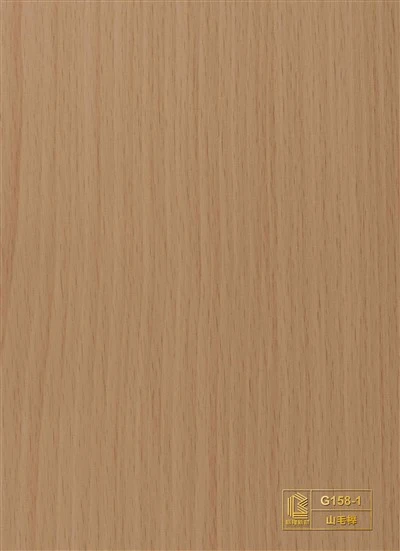
If you’re thinking about wrapping your bookshelves, or if you’re a contractor looking for bulk supplies for a project, hit us up to chat about what you need. We can help you pick the right grain, the right thickness, even give you a few tips for prep if you’re new to this. No pressure, just real answers from someone who’s been in the game long enough to know what works and what doesn’t.
PVC Deco Film References
- “PVC Wood Grain Films: Application and Performance Characteristics,” Industrial Vinyl Technology Association, 2021
- “Durability of Decorative Films for Furniture and Cabinetry,” Journal of Interior Design and Furnishings, Vol. 45, No. 2, 2022
- “Moisture Resistance of PVC-Based Decorative Surfaces for Residential and Commercial Applications,” Building Materials Journal, 2020, pp. 112-127
Zhejiang Biaolong New Materials Co., Ltd.
Zhejiang Biaolong New Materials Co., Ltd. is one of the most experienced PVC wood grain film manufacturers and suppliers in China, also supports customized service. We warmly welcome you to buy high quality PVC wood grain film in stock here from our factory. If you have any enquiry about cooperation, please feel free to email us.
Address: No.2 Helai Road, Lianhua Mountain Industrial Park, Jiangshan City
E-mail: Yuspvc@gmail.com
WebSite: https://www.biaolongpvc.com/
