If you run a fleet of LNG-powered trucks, ships, or industrial equipment, you already know that reliable refueling isn’t just a convenience—it’s the backbone of your operations. As an LNG refueling equipment supplier, I’ve spent more than a decade working closely with fleet managers, terminal operators, and maintenance teams to fine-tune servicing schedules that balance performance, safety, and long-term cost efficiency. Over that time, I’ve seen firsthand how skipping or rushing maintenance on even the smallest part of LNG refueling gear can lead to costly downtime, compliance fines, or even safety risks. That’s why today, I’m pulling back the curtain on the servicing intervals for LNG refueling equipment—no generic industry jargon, just the real-world, practical guidelines we’ve developed working with hundreds of clients across North America. LNG Refueling Equipment
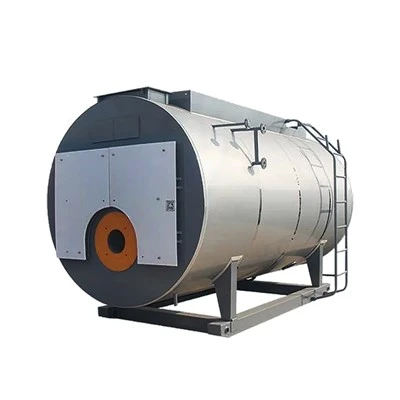
First, it’s important to clarify that LNG refueling equipment isn’t a single machine. It’s a interconnected system: cryogenic storage tanks, pump skids, vaporizers, dispensing hoses and nozzles, control panels, and leak detection systems all work in tandem to safely transfer liquefied natural gas at super-cold temperatures (around -260°F/-162°C). Each component has unique wear patterns, material stresses, and regulatory requirements, so servicing isn’t one-size-fits-all. The intervals I’ll outline below are aligned with global safety standards from groups like the International Organization for Standardization (ISO) and the Compressed Gas Association (CGA), plus the real-world data our team has collected from equipment we’ve installed and maintained. I’ll also note that these are baseline intervals—your specific schedule may shift based on your equipment’s usage intensity, environment, and any custom upgrades we add during installation.
Let’s start with the most critical components, because LNG’s super-cold nature means even small faults can escalate fast. The first system that needs regular servicing is the cryogenic storage tank—the core of any refueling station, designed to hold LNG at pressure without warming. Most modern LNG storage tanks use vacuum-insulated technology to prevent heat ingress, and for these, we recommend a full internal and external inspection every 24 months. Wait, I know some operators ask why not longer? The vacuum jacket that keeps the tank cold can degrade over time, even with proper care—traces of moisture seeping into the jacket or damage to the insulation panel from rough terrain or construction nearby can drastically reduce efficiency, forcing you to waste LNG on vapor instead of dispensing it. External checks every 6 months are non-negotiable, though: these include inspecting the outer shell for dents or corrosion, verifying pressure relief valves (PRVs) are free of debris and functioning correctly, and testing all tank pressure gauges to ensure accurate readings. A common mistake we see is waiting for the tank’s pressure alarm to trigger a check—by then, you’re likely already losing LNG to off-spec vapor, which cuts into your profits.
Next up: the LNG pump skid, which moves liquid from the storage tank to the dispensing nozzle. Pump skids handle constant pressure changes and cold temperatures, so their wear is faster than storage tanks. We recommend a full service on the pump every 12 months, or after every 10,000 refueling cycles—whichever comes first. What does that service include? Disassembling the pump’s cryogenic seals, replacing wear parts like packing rings and bearings that degrade in sub-zero conditions, and testing the pump’s flow rate to ensure it meets your station’s output requirements. Every 6 months, before you do a full pump service, we advise a quick check: listen for unusual vibrations during operation, test the pump’s inlet and outlet pressure to spot clogs or leaks, and inspect the pressure relief valves on the skid to make sure they open at the correct pressure threshold. For operators running high-volume stations (say, a heavy-duty truck refueling 50+ times a day), we often adjust this interval to every 8 months, because the pump is operating at maximum capacity far more frequently.
Vaporizers are another key component, and they’re often overlooked until they fail. Vaporizers turn cold liquid LNG into gaseous natural gas (NG) for vehicles that run on natural gas, or heat LNG to appropriate temperatures for dispensing into storage tanks. There are two main types: ambient air vaporizers (which use outdoor air) and submerged combustion vaporizers (which use a small burner to heat fluid), so their servicing intervals differ slightly. For ambient air vaporizers—far more common for small to medium stations—we recommend a full service every 18 months, with seasonal checks every 3 months. Seasonal checks are especially important in extreme climates: in cold winter areas, ice buildup on the vaporizer’s fins can block air flow and reduce heating capacity, so we have teams come out to clear fins and test heat transfer efficiency before winter hits. In hot, humid regions, we check for corrosion on the vaporizer’s casing and test for leaks in the heat exchanger tubes, which can develop pinholes from thermal cycling. For submerged combustion vaporizers, we bump the full service to every 12 months, because the burner and combustion chamber are exposed to more wear from fuel use, and we need to inspect for soot buildup that can reduce efficiency.
If you’ve ever stood next to an LNG dispenser during a refuel, you know the hose and nozzle take a beating: they’re dragged across pavement, exposed to cold, and flexed hundreds of times a day. These are probably the most frequently replaced parts on any refueling station, but with regular servicing, you can extend their lifespan and avoid unexpected failures mid-refuel. For LNG hoses, we recommend a detailed inspection every 3 months, with replacement every 36 months (or 5,000 refueling cycles, whichever is sooner). Nozzles are a bit more robust, but they still need servicing: every 6 months, we clean the nozzle’s sealing surfaces, test the automatic shut-off mechanism (which is critical for preventing over-dispensing), and check for cracks in the nozzle’s outer casing. A common issue we see is a worn nozzle seal that leaks LNG vapor—this not only wastes product, but it creates a safety hazard because LNG vapor is heavier than air and can pool in low areas. We also remind clients to never use a standard air hose or water hose to clean LNG hoses; only cryogenic-rated cleaning solutions and tools, because regular materials can degrade quickly when exposed to cold temperatures.
Control systems and safety hardware are non-negotiable for compliance, especially in regions with strict OSHA or Pipeline and Hazardous Materials Safety Administration (PHMSA) rules. The control panel manages all station operations, from pressure levels to refueling cycles, and it pairs with leak detection systems that are the first line of defense against gas buildup. For control panels, we recommend a full diagnostic check every 12 months: this includes updating firmware, calibrating pressure and temperature sensors, and testing all automated shut-off functions that trigger if a leak is detected. Leak detection systems—including infrared gas detectors, thermal cameras, and pressure sensors—need monthly spot checks, and a full calibration every 6 months. Here’s a key point: many fleets assume their leak systems work because they haven’t had an alarm, but outdated sensors can fail to detect low levels of methane that pose a long-term risk. Last year, we worked with a client who had to pause operations for 48 hours because their leak detector had not been calibrated in 3 years, and it missed a small pinhole leak in a vaporizer line—costing them $20,000 in lost LNG and compliance fines. That’s the kind of cost that regular servicing easily avoids.
Wait, but what about portable LNG refueling equipment? A lot of our clients operate mobile refuelers that move LNG between terminals or directly to job sites, and their servicing needs are even more frequent because they’re transported across rough roads, exposed to temperature extremes, and used intermittently. For portable refuelers, we adjust all intervals down by 25%: pump services every 9 months, hose inspections every 2 months, control system checks every 8 months, and full tank inspections every 18 months. We also require a full safety and servicing check every time a portable refueler is transported across state lines, because different regions have different LNG equipment compliance rules, and a quick check can catch any damage that happened during transit.
Now, I want to be clear: these intervals aren’t arbitrary. Over the years, our team has built a servicing database that tracks every piece of equipment we sell, noting usage levels, environment, and failure points. For example, stations in Texas, where temperatures regularly hit 100°F, we see 30% more hose wear than stations in the Pacific Northwest, so we advise those clients to reduce hose replacement intervals to 24 months. For fleets that use their refueling equipment exclusively for long-haul trucks, which require faster flow rates and more frequent refuels, pump servicing needs to be adjusted to 9 months, instead of the standard 12. The baseline is a starting point, and we always work with clients to tailor a schedule to their specific operations.
One thing we always emphasize is that servicing LNG equipment isn’t just about fixing problems—it’s about preventing them. We’ve seen clients cut corners on servicing to save a few thousand dollars, only to face a station shutdown that costs them $50,000 or more per day in lost operations. For example, a mid-sized fleet in the Midwest skipped their 24-month storage tank inspection, and last year, the vacuum jacket degraded so much that the tank lost 15% of its LNG capacity and required a full insulation replacement, costing $80,000 and taking the station offline for 2 weeks. That’s a cost that would have been covered by regular servicing, which for that tank would have cost less than $2,000 over two years.
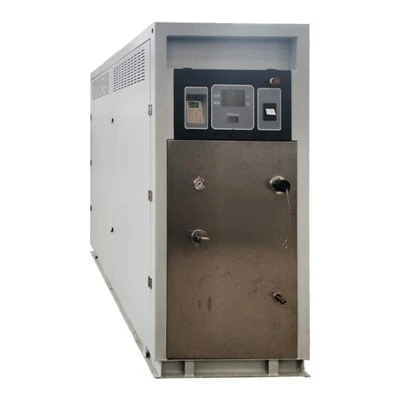
At our company, we don’t just sell LNG refueling equipment—we provide end-to-end support, including custom servicing plans tailored to your station’s needs. If you’re looking to optimize your maintenance schedule, or if you need guidance on what intervals work best for your specific setup, our team of certified LNG technicians is here to help. We work with fleets, terminal operators, and industrial clients of all sizes, from small local fleets with one refueling station to large national operators with 20+ sites. To learn more about our servicing plans or to discuss your equipment needs, reach out to our team for a consultation. We’ll walk you through the details, address any concerns, and help you build a maintenance schedule that keeps your operations running smoothly, safely, and profitably.
LNG Refueling Station REFERENCES
International Organization for Standardization (ISO) 19838:2016, Cryogenic vessels – LNG refueling systems
Compressed Gas Association (CGA) G-14, Safe Handling of Liquefied Natural Gas (LNG)
U.S. Department of Transportation (DOT) PHMSA Part 192, Transportation of Natural and Other Gas by Pipeline: Minimum Federal Safety Standards
National Fire Protection Association (NFPA) 59A, Standard for the Production, Storage, and Handling of Liquefied Natural Gas (LNG)
Xinxiang Huayuan Container Equipment Co., Ltd.
With abundant experience, we are one of the most reliable LNG refueling equipment manufacturers and suppliers in China. We warmly welcome you to buy durable LNG refueling equipment made in China here from our factory. If you have any enquiry about cooperation, please feel free to email us.
Address: No.2, South Road, Industrial Cluster Zone, Genghuang Township, Fengquan District, Xinxiang City, Henan Province
E-mail: cncd527@gmail.com
WebSite: https://www.huayuanequipment.com/
