An aluminum mirror sheet is a remarkable product widely recognized for its high reflectivity, durability, and versatility, making it an essential material in numerous industries. As a supplier of aluminum mirror sheets, I am often asked about the composition of these sheets. In this blog, I will delve into the details of what makes up an aluminum mirror sheet, exploring the base materials, surface treatments, and additional coatings that contribute to its unique properties. Aluminum Mirror Sheet
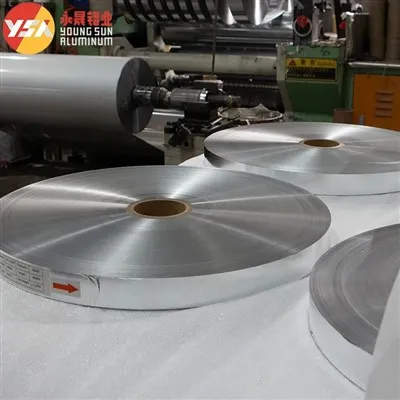
Base Material: Aluminum Alloy
The foundation of an aluminum mirror sheet is the aluminum alloy. Aluminum is chosen as the primary material due to its excellent combination of properties. It is lightweight, which is advantageous for applications where weight is a concern, such as in aerospace and automotive industries. Aluminum also has good corrosion resistance, which helps the mirror sheet maintain its integrity over time, especially in harsh environments.
The most common aluminum alloys used in mirror sheets are from the 1xxx, 3xxx, and 8xxx series. The 1xxx series is pure aluminum, with a minimum aluminum content of 99%. These alloys offer excellent electrical and thermal conductivity, high reflectivity, and good workability. However, they have relatively low strength compared to other alloys.
The 3xxx series contains manganese as the main alloying element, typically ranging from 0.3% to 1.5%. The addition of manganese improves the strength of the aluminum without significantly sacrificing its formability and corrosion resistance. This makes 3xxx series alloys a popular choice for applications that require moderate strength and good surface finish.
The 8xxx series includes various alloying elements, such as lithium and silicon, which are added to enhance specific properties. For example, lithium can reduce the density and increase the stiffness of the alloy, making it suitable for high – performance applications.
Surface Treatment: Mirror Finishing
The mirror – like appearance of an aluminum mirror sheet is achieved through a precise surface treatment process. The first step is usually mechanical polishing. This involves using abrasive materials to remove surface irregularities and create a smooth surface. Different grit sizes of abrasives are used in a sequential manner, starting from coarser grits to remove larger scratches and then progressing to finer grits for a high – gloss finish.
After mechanical polishing, chemical polishing may be applied. Chemical polishing uses a chemical solution to dissolve a thin layer of the aluminum surface, further enhancing the smoothness and reflectivity. This process can also improve the surface uniformity and remove any remaining micro – scratches.
Anodizing is another important surface treatment for aluminum mirror sheets. Anodizing creates a protective oxide layer on the surface of the aluminum. This layer not only enhances the corrosion resistance of the sheet but also can improve its wear resistance. In some cases, the anodized layer can be dyed to achieve different colors, which is beneficial for decorative applications.
Additional Coatings
To further enhance the performance of aluminum mirror sheets, additional coatings may be applied. One such coating is the anti – reflective (AR) coating. AR coatings are designed to reduce the reflection of light at the surface of the mirror sheet, allowing more light to pass through or be absorbed. This is particularly useful in applications such as solar panels, where maximizing light absorption is crucial.
A protective polymer coating can also be applied to the surface of the aluminum mirror sheet. This coating provides an extra layer of protection against scratches, abrasion, and environmental factors. It can extend the lifespan of the mirror sheet, especially in applications where the sheet may be exposed to physical contact or harsh weather conditions.
In some cases, a conductive coating may be added to the aluminum mirror sheet. This is important for applications in the electronics industry, where the sheet needs to have specific electrical conductivity properties. The conductive coating can be made of materials such as indium tin oxide (ITO), which is transparent and conductive.
Quality Control in Composition
As a supplier, ensuring the quality of the aluminum mirror sheet composition is of utmost importance. We conduct strict quality control measures at every stage of the production process. For the base alloy, we obtain raw materials from reliable suppliers and perform chemical analysis to verify the alloy composition. This ensures that the aluminum alloy meets the required standards for strength, corrosion resistance, and other properties.
During the surface treatment process, we monitor parameters such as the polishing time, abrasive particle size, and chemical solution composition. This helps to achieve consistent mirror finishes across all products. For the additional coatings, we use advanced coating techniques and equipment to ensure uniform coating thickness and high adhesion.
We also perform a series of tests on the finished aluminum mirror sheets. Reflectivity tests are conducted to measure the percentage of light reflected by the sheet at different wavelengths. Corrosion resistance tests, such as salt spray tests, are carried out to evaluate the ability of the sheet to withstand corrosion in a simulated harsh environment. Mechanical tests, including hardness tests and scratch resistance tests, are used to assess the physical properties of the sheet.
Applications of Aluminum Mirror Sheets
The unique composition of aluminum mirror sheets makes them suitable for a wide range of applications. In the architectural industry, they are used for decorative purposes, such as in building facades, interior walls, and ceilings. The high reflectivity of the mirror sheets can create an illusion of space and add a touch of elegance to the building.
In the lighting industry, aluminum mirror sheets are used as reflectors in lamps and lighting fixtures. They can direct light more efficiently, increasing the luminance and distribution of light. This helps to save energy and improve lighting quality.
The automotive industry also makes use of aluminum mirror sheets. They are used in rear – view mirrors, headlight reflectors, and decorative trims. The lightweight and durable nature of aluminum mirror sheets make them ideal for automotive applications, where weight reduction and long – term performance are essential.
Conclusion
In conclusion, an aluminum mirror sheet is composed of a carefully selected aluminum alloy as the base material, followed by a series of surface treatments and optional additional coatings. The combination of these elements gives the aluminum mirror sheet its high reflectivity, durability, and versatility. As a supplier, we are committed to providing high – quality aluminum mirror sheets by maintaining strict quality control over the composition and production process.
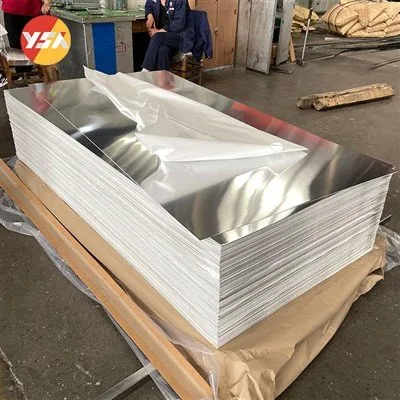
If you are interested in purchasing aluminum mirror sheets for your specific application, please feel free to contact us for further discussion. We can provide you with detailed product specifications, samples, and competitive pricing. Our team of experts is ready to assist you in finding the most suitable solution for your needs.
PE Coating Aluminum Foil References
- ASM Handbook Committee. ASM Handbook Volume 2: Properties and Selection: Nonferrous Alloys and Special – Purpose Materials. ASM International, 2001.
- Aluminum Association. Aluminum Design Manual. Aluminum Association, 2015.
- Powell, J. A., & Hablanian, M. A. (Eds.). Mirror Technology and Applications. Springer, 2009.
Henan Yongsheng Aluminum Industry Co., Ltd.
We are one of the most reliable aluminum mirror sheet manufacturers and suppliers in China. With abundant experience, we warmly welcome you to buy high-grade aluminum mirror sheet for sale here from our factory. All custom made products are with high quality and competitive price.
Address: Gongyi City Industrial Cluster District, Huiguo Town, Gongyi City, Henan Province
E-mail: eric@ysaluminum.cn
WebSite: https://www.ysaluminummill.com/
