What’s up, folks! I’m in the biz of supplying nasolabial fold products, and today, I wanna chat about something super important – the normal depth of nasolabial folds. Nasolabial Fold
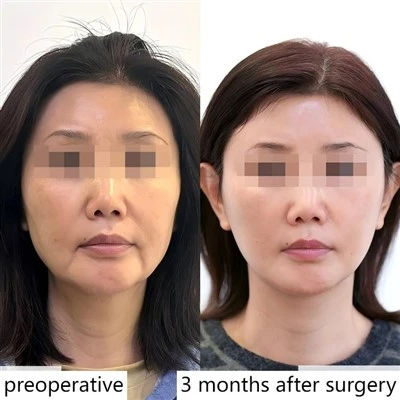
First things first, let’s get clear on what nasolabial folds are. You know those lines that run from the sides of your nose down to the corners of your mouth? Yeah, those are the nasolabial folds. They’re a natural part of our facial anatomy, but their depth can vary a whole lot from person to person.
So, what’s considered a "normal" depth? Well, it’s not as straightforward as you might think. There isn’t a one – size – fits – all answer because a bunch of factors come into play.
Age is a huge factor. When we’re young, our nasolabial folds are usually pretty shallow. Our skin is full of collagen and elastin, which keep it plump and smooth. As we get older, though, our bodies produce less of these important proteins. Collagen starts to break down, and elastin loses its elasticity. This causes our skin to become thinner and less firm, and the nasolabial folds tend to get deeper. For a young person in their 20s or early 30s, the nasolabial folds might just be faint lines that are barely noticeable. But for someone in their 50s or 60s, they can be quite prominent.
Genetics also play a big role. Some families just have a genetic predisposition to deeper nasolabial folds. If your parents or grandparents had deep folds, there’s a good chance you will too. It’s like inheriting your eye color or height – it’s in your genes. So, if you look at your family tree and see a lot of deep nasolabial folds, don’t be too surprised if you start to notice them on your own face as you age.
Lifestyle choices can impact the depth of nasolabial folds as well. Smoking is a major culprit. The chemicals in cigarettes damage collagen and elastin, accelerating the aging process and making the nasolabial folds deeper. Sun exposure is another biggie. UV rays from the sun can break down the skin’s structural proteins, leading to premature aging and deeper folds. On the flip side, a healthy lifestyle with a balanced diet rich in antioxidants and regular exercise can help keep the skin in better shape and may slow down the deepening of nasolabial folds.
Now, how do we measure the depth of nasolabial folds? Well, there are a few ways. Dermatologists and plastic surgeons often use a visual scale to assess the severity. The most common one is a 5 – point scale.
- A score of 0 means there are no visible nasolabial folds at all.
- A score of 1 indicates very mild folds that are only visible when you smile or make facial expressions.
- A score of 2 means the folds are moderate and can be seen at rest, but they’re not too deep.
- A score of 3 represents deep folds that are quite noticeable at rest.
- A score of 4 means extremely deep folds that are very prominent and can have a significant impact on a person’s appearance.
But here’s the thing – just because a certain depth is common for a particular age group doesn’t mean it’s "normal" for everyone. Beauty standards and what we consider normal can vary a lot depending on cultural and personal preferences. In some cultures, a more wrinkled face is seen as a sign of wisdom and experience, while in others, smooth, wrinkle – free skin is highly valued.
As a nasolabial fold supplier, I know that people have different needs and goals when it comes to their nasolabial folds. Some folks want to reduce the depth of their folds to look younger or more refreshed. Others might be okay with the natural appearance of their folds and just want to maintain the health of their skin.
That’s where our products come in. We offer a range of solutions that can help with nasolabial folds. For those who want to prevent the deepening of folds in the first place, we have skincare products that are rich in ingredients like hyaluronic acid, which can help keep the skin hydrated and plump. Hyaluronic acid is like a sponge for water, and when it’s in the skin, it can make the nasolabial folds look less deep.
If you already have noticeable nasolabial folds and want to reduce their appearance, we have dermal fillers. These are injectable substances that can add volume to the area around the nasolabial folds, making them look shallower. They’re a popular choice because they’re minimally invasive and can give pretty quick results.
We also have treatments that stimulate collagen production. Collagen – boosting products and procedures can help strengthen the skin’s structure over time, gradually reducing the depth of the nasolabial folds.
I think it’s important to have realistic expectations. No product or treatment can completely get rid of nasolabial folds, especially if they’re quite deep due to age or genetics. But they can make a big difference in how they look.
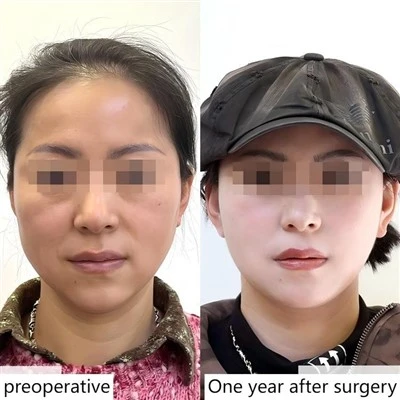
If you’re interested in learning more about our nasolabial fold products or have questions about the normal depth of nasolabial folds and how our solutions can help, don’t hesitate to reach out. Whether you’re a beauty professional looking to add our products to your practice or an individual who wants to improve the appearance of your nasolabial folds, we’re here to chat and find the best solution for you. Let’s start a conversation and see how we can work together to achieve your goals.
Facelift References
- Fitzpatrick, R. E., & Rostan, E. F. (2004). Treatment of the nasolabial fold: a review of available techniques. Dermatologic Surgery, 30(1), 353 – 363.
- Carruthers, A., & Carruthers, J. D. (2004). Aesthetic management of the aging face: injectable fillers. Plastic and Reconstructive Surgery, 114(2 Suppl), 5S – 14S.
Yuan Qiang
With over 20 years’ experience, Dr. Yuan Qiang is a professional doctor specializes in comprehensive treatment for nasolabial fold. If you have any enquiry about nasolabial fold, please feel free to email us. Good service and reasonable price are available.
Address: 602, South Zone, 5th Floor, Building 122, Nanhu Dongyuan, Chaoyang District, Beijing
E-mail: 496864416@qq.com
WebSite: https://www.yuanqiang-doctor.com/
