Improving the appearance of co – extrusion WPC (Wood – Plastic Composite) decking is a critical undertaking for a Co – extrusion WPC Decking supplier like me. The visual appeal of decking products not only enhances customer satisfaction but also gives us a competitive edge in the market. In this blog post, I will explore a variety of strategies and techniques that can be employed to enhance the overall look of co – extrusion WPC decking. Co-extrusion WPC Decking
Understanding Co – extrusion WPC Decking
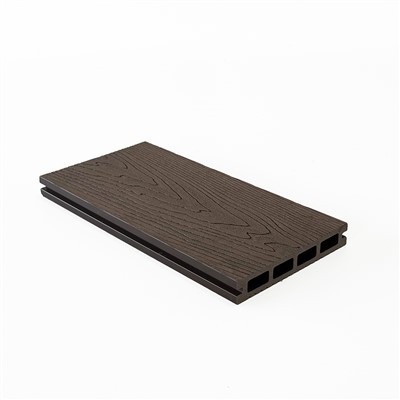
Before delving into improvement methods, it is essential to understand what co – extrusion WPC decking is. Co – extrusion involves the simultaneous extrusion of two or more materials with different properties to form a single product. In the case of WPC decking, a core material, which typically consists of a blend of wood fibers and plastic polymers, is covered with a co – extruded cap layer. This cap layer serves multiple purposes, including protection against wear, moisture, and UV rays, and it also significantly contributes to the decking’s appearance.
Selecting High – Quality Raw Materials
The quality of raw materials used in co – extrusion WPC decking has a direct impact on its appearance. For the core material, well – processed wood fibers with consistent particle size and low moisture content are crucial. Wood fibers that are too large or have high moisture levels can lead to uneven surfaces and color variations in the finished product. Plastic polymers should also be carefully selected based on their compatibility with the wood fibers and their ability to provide the desired strength and durability.
When it comes to the co – extruded cap layer, choose high – quality polymers that can offer excellent colorfastness and a smooth finish. The cap layer should be formulated to resist fading, scratching, and staining. Additionally, the color and texture of the cap layer can be customized to mimic the natural look of wood, such as oak, teak, or cedar, which is highly sought after by consumers.
Advanced Color Matching and Pigmentation
Color is one of the most important aspects of the appearance of co – extrusion WPC decking. To achieve a realistic and attractive wood – like color, advanced pigmentation techniques should be employed. Use high – quality pigments that are specifically designed for WPC applications. These pigments should be able to withstand UV exposure without significant fading over time.
Color matching can be a complex process, especially when trying to replicate the natural variations found in real wood. By using a combination of different pigments and colorants, it is possible to create a multi – toned effect that closely resembles the look of natural wood. Additionally, conducting regular color checks during the manufacturing process ensures that the final product meets the desired color standards.
Surface Texturing
Surface texturing plays a vital role in enhancing the visual and tactile appeal of co – extrusion WPC decking. A textured surface not only adds to the realistic look of wood but also provides better slip resistance, which is an important safety feature. There are several methods for creating surface textures on WPC decking.
One common method is embossing. During the extrusion process, the decking passes through embossing rollers that have a pattern engraved on their surface. This pattern is transferred onto the surface of the decking, creating a textured finish. The embossing pattern can be designed to mimic the grain of different types of wood, such as the straight, uniform grain of pine or the more irregular and pronounced grain of oak.
Another approach is the use of additives that create a natural – looking texture. These additives can be incorporated into the co – extruded cap layer during the manufacturing process. They work by altering the surface tension of the material, resulting in a slightly rough and textured surface.
Precise Manufacturing Process Control
Maintaining precise control over the manufacturing process is essential for ensuring a consistent and high – quality appearance of co – extrusion WPC decking. Temperature control is critical during both the extrusion of the core material and the co – extrusion of the cap layer. Improper temperature settings can lead to issues such as warping, uneven color distribution, and poor adhesion between the core and the cap layer.
Similarly, the speed of the extrusion process should be carefully regulated. A too – fast extrusion speed may result in incomplete mixing of the materials, leading to weak spots and visual defects in the decking. On the other hand, an overly slow speed can cause material degradation and affect the overall productivity.
Quality control measures should be implemented at every stage of the manufacturing process. This includes inspecting the raw materials for quality, monitoring the extrusion process parameters, and conducting final inspections of the finished decking products. Any defective products should be removed from the production line to ensure that only high – quality decking is delivered to customers.
Post – Processing Treatments
After the co – extrusion WPC decking is manufactured, post – processing treatments can be applied to further enhance its appearance. One such treatment is sanding. Sanding the surface of the decking can smooth out any rough edges or minor imperfections, giving it a more refined look. It can also help to enhance the color and texture by removing a thin layer of the surface material, revealing a fresher and more consistent appearance.
Another post – processing option is applying a protective coating. A clear or tinted coating can be applied to the surface of the decking to add an extra layer of protection against the elements and to enhance its shine. The coating should be carefully selected to ensure compatibility with the WPC material and to provide long – lasting protection.
Customer Feedback and Market Trends
As a Co – extrusion WPC Decking supplier, it is important to listen to customer feedback and stay updated on market trends. Customers’ preferences for color, texture, and overall appearance can change over time. By actively seeking feedback from customers, we can identify areas for improvement and develop new products that meet their evolving needs.
Market trends also play a significant role in determining the direction of product development. For example, there is a growing demand for eco – friendly and sustainable decking products. By incorporating sustainable materials and manufacturing processes into our products, we can not only meet the market demand but also enhance the overall appeal of our co – extrusion WPC decking.

In conclusion, improving the appearance of co – extrusion WPC decking requires a comprehensive approach that involves selecting high – quality raw materials, employing advanced color matching and surface texturing techniques, precise manufacturing process control, post – processing treatments, and keeping a close eye on customer feedback and market trends. By implementing these strategies, we can produce co – extrusion WPC decking that not only looks great but also provides long – lasting performance.
Co-extrusion WPC Decking If you are interested in our co – extrusion WPC decking products or have any questions regarding their appearance or other features, please feel free to contact us for further discussion and potential procurement. We are committed to providing you with the highest quality decking solutions that meet your specific needs.
References
- ASTM International. (20XX). Standard test methods for wood – plastic composite materials.
- Industry reports on building materials trends and consumer preferences.
Zhejiang Timber Biology New Material Co., Ltd.
As one of the most professional co-extrusion wpc decking manufacturers and suppliers in China, we’re featured by quality products and good service. Please rest assured to wholesale custom made co-extrusion wpc decking at competitive price from our factory.
Address: No. 192, Longshan Road, Zhongguan Town, Deqing County, Huzhou City, Zhejiang Province
E-mail: info@tongrui.cc
WebSite: https://www.utimberwpc.com/
