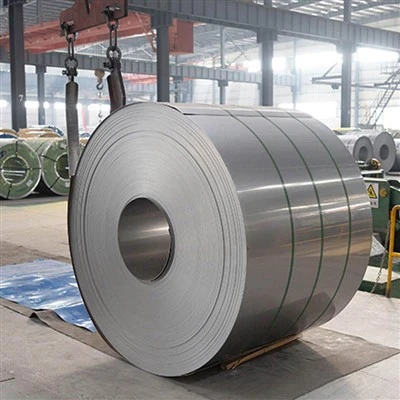
In the world of steel materials, carbon steel coil is a widely used product, which I’m well – acquainted with as a carbon steel coil supplier. While carbon steel coils offer numerous advantages, it’s important to have an honest discussion about their disadvantages. By understanding these drawbacks, customers can make more informed decisions when considering purchasing carbon steel coils. Carbon Steel Coil
1. Corrosion Susceptibility
One of the most significant disadvantages of carbon steel coils is their high susceptibility to corrosion. Carbon steel is primarily composed of iron and carbon, with iron being the main element. When exposed to oxygen and moisture, a chemical reaction occurs, leading to the formation of iron oxide, commonly known as rust. This oxidation process can weaken the structural integrity of the steel over time.
In outdoor environments, carbon steel coils are constantly at the mercy of weather conditions. Rain, humidity, and even saltwater in coastal areas can accelerate the corrosion rate. For instance, in marine applications where carbon steel coils might be used in shipbuilding components or offshore structures, the corrosion problem becomes a serious concern. If not properly protected, the rust can penetrate the surface of the coil, causing pitting and eventually leading to material failure.
Even in indoor settings, factors like high humidity or exposure to certain chemicals can trigger corrosion. Warehouses with poor ventilation or areas with chemical spills can pose risks to carbon steel coils. Preventing corrosion often requires additional treatments such as painting, galvanizing, or applying anti – corrosion coatings. These treatments add to the overall cost of the product and also demand regular maintenance to ensure the protective layer remains intact.
2. Lower Resistance to High Temperatures
Carbon steel coils do not perform well under high – temperature conditions. As the temperature rises, the mechanical properties of carbon steel begin to deteriorate. The strength and hardness of the steel decrease, and it becomes more ductile. This means that in applications where the steel is exposed to extreme heat, such as in some industrial furnaces or high – temperature processing plants, carbon steel may not be the most suitable choice.
For example, in a heat – treating facility, if carbon steel coils are used in components that are directly exposed to high – temperature flames or hot gases, they can warp or deform. The loss of strength at high temperatures can also lead to structural failures, putting the entire system at risk. Stainless steel or other high – temperature alloys are often preferred in such scenarios because they can maintain their mechanical properties at elevated temperatures.
Even in less extreme situations, such as in some automotive engines where parts are subject to significant heat generation, carbon steel may need additional cooling mechanisms to prevent overheating and performance degradation. This requirement for supplementary cooling systems adds complexity and cost to the overall design.
3. Limited Weldability in Some Cases
While carbon steel is generally weldable, there are certain limitations, especially when dealing with high – carbon steels in the coil form. High – carbon content can lead to increased hardness and brittleness in the heat – affected zone (HAZ) during the welding process. This makes the welded joint more prone to cracking, which can compromise the integrity of the entire structure.
When welding high – carbon steel coils, pre – heating and post – heating treatments are often necessary to reduce the risk of cracking. These treatments require careful control of temperature and time, and they add to the complexity and cost of the welding process. In addition, the welding process itself needs to be carefully monitored to ensure proper penetration and fusion without causing excessive heat in the HAZ.
Moreover, the quality of welding can be affected by the composition of the carbon steel. Impurities such as sulfur and phosphorus can also have a negative impact on weldability. If these impurities are not properly controlled during the steelmaking process, they can lead to porosity and other defects in the welded joint.
4. Heavier Weight
Compared to some other materials like aluminum alloys or composite materials, carbon steel coils are relatively heavy. This weight factor can be a significant drawback in applications where weight reduction is a priority, such as in the aerospace or automotive industries.
In the aerospace industry, every kilogram of weight savings can lead to significant fuel savings over the lifetime of an aircraft. Using carbon steel coils in aircraft components would add unnecessary weight, increasing fuel consumption and reducing the overall efficiency of the aircraft. Similarly, in the automotive industry, as automakers strive to improve fuel economy and performance, the heavy weight of carbon steel can be a hindrance.
The weight of carbon steel coils also poses challenges during transportation and installation. More powerful lifting equipment is required to handle and install carbon steel coils, which adds to the operational costs. Additionally, heavier materials can put more stress on supporting structures, requiring stronger and more expensive support systems.
5. Higher Costs in Some Applications
Although carbon steel is generally considered a cost – effective material, in certain applications, the overall cost can be higher than expected due to the previously mentioned disadvantages. The need for anti – corrosion treatments, high – temperature protection, and additional welding processes all contribute to increased costs.
For example, in building structures located in coastal areas, the cost of protecting carbon steel coils from corrosion can be substantial. The initial investment in high – quality anti – corrosion coatings and the long – term maintenance costs can make the use of carbon steel less economical compared to using corrosion – resistant alloys.
In high – temperature applications, the choice between carbon steel and high – temperature alloys might come down to cost – effectiveness. While carbon steel may have a lower initial purchase price, the need for extra cooling mechanisms and the potential for premature failure can make the long – term costs of using carbon steel higher.
Conclusion
As a carbon steel coil supplier, I firmly believe in transparency when it comes to the products we offer. While carbon steel coils have many valuable properties and are widely used in various industries, it’s essential to be aware of their disadvantages. Corrosion susceptibility, limited high – temperature resistance, challenges in weldability, heavy weight, and potentially higher costs in some applications are all factors that customers should consider.
However, it’s important to note that with proper understanding and mitigation strategies, many of these disadvantages can be managed. For instance, effective anti – corrosion measures can significantly extend the lifespan of carbon steel coils in corrosive environments. And in applications where high – temperature resistance is not a critical requirement, carbon steel can still be an excellent choice.
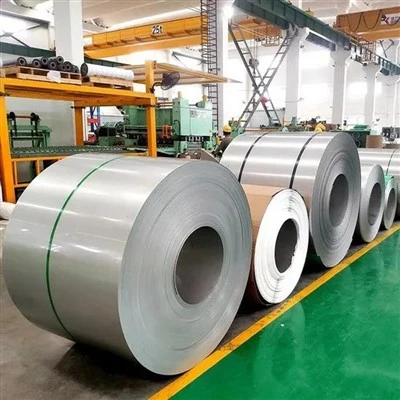
If you are considering purchasing carbon steel coils or have any questions regarding how to address the mentioned disadvantages in your specific application, I invite you to contact us for a detailed discussion. Our team of experts is ready to provide you with professional advice and find the best solution for your needs.
References
Carbon Steel Sheet/Plate -ASM Handbook: Metals Properties and Selection -Ferrous Alloys, Volume 1, ASM International.
-Kalpakjian, S., & Schmid, S. R. (2013). Manufacturing Engineering and Technology. Pearson.
-Welding Handbook: Volume 2, Welding Processes, American Welding Society.
Wuxi Jin Ming Jian De Industry & Trade Co., Ltd.
Wuxi Jin Ming Jian De Industry & Trade Co., Ltd. is one of the most professional carbon steel coil manufacturers and suppliers in China, also supports customized service. With abundant experience, we warmly welcome you to wholesale CE approved carbon steel coil in stock here from our factory. If you have any enquiry about quotation, please feel free to email us.
Address: 2102-2105, Yuexing Building, Guangnan Road, Liangxi District, Wuxi City, Jiangsu Province, China.
E-mail: info@wxjmjdss.com
WebSite: https://www.jmjdsteelexp.com/
