Can Fig.8 Self – support Optical Fiber Cable be used in areas with high seismic activity? Fig.8 Self-support Optical Fiber Cable

As a supplier of Fig.8 Self – support Optical Fiber Cable, this is a question that I often encounter from potential customers, especially those in regions prone to seismic events. In this blog, I will delve into the technical aspects, practical applications, and relevant research to explore the viability of using our Fig.8 Self – support Optical Fiber Cable in high – seismic – activity areas.
Technical Features of Fig.8 Self – support Optical Fiber Cable
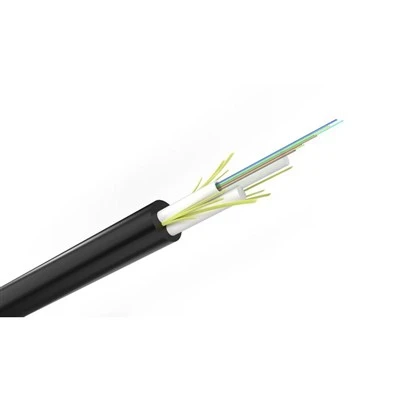
The Fig.8 Self – support Optical Fiber Cable gets its name from its distinctive shape, which resembles the number 8. This design consists of two main parts: the upper part is usually a messenger wire, and the lower part contains the optical fiber unit. The messenger wire provides support for the entire cable, allowing it to be strung up and spanning long distances without additional support structures in many cases.
Material and Construction
Our Fig.8 Self – support Optical Fiber Cable is manufactured with high – quality materials. The messenger wire is typically made of steel or other high – strength alloys, which have excellent tensile strength. The optical fiber unit is protected by multiple layers of sheathing materials, such as polyethylene or polyvinyl chloride (PVC), which not only shield the fibers from physical damage but also provide some degree of resistance to environmental factors like moisture and temperature changes.
The internal structure of the optical fiber unit is also carefully engineered. The fibers are tightly buffered and arranged in a way that minimizes the risk of breakage during normal handling and installation. Additionally, some of our cables are equipped with gel – filled or dry – blockage technology to further enhance the protection of the optical fibers from water ingress.
Seismic Activity and Its Impact on Optical Fiber Cables
Seismic activity, including earthquakes and ground tremors, poses several challenges to the integrity of optical fiber cables. The primary issues are ground displacement, soil liquefaction, and mechanical stress caused by the shaking of the ground.
Ground Displacement
During an earthquake, the ground can shift horizontally or vertically over short distances. This displacement can stretch, compress, or bend the optical fiber cables, potentially causing the fibers inside to break. Even a small break in an optical fiber can significantly degrade the signal transmission quality, leading to communication disruptions.
Soil Liquefaction
In areas with loose, water – saturated soil, seismic activity can cause soil liquefaction. When the ground shakes, the water – filled soil loses its strength and behaves like a liquid. This can result in the sinking or floating of buried cables, as well as the movement of above – ground cable support structures. The instability of the soil can put additional stress on the cables, increasing the risk of damage.
Mechanical Stress
The intense shaking during an earthquake generates mechanical stress on the cables. The back – and – forth motion, along with the sudden impact forces, can cause the cables to vibrate violently. If the cables are not designed to withstand these forces, the optical fibers can be damaged due to excessive bending or twisting.
Adaptability of Fig.8 Self – support Optical Fiber Cable to Seismic Conditions
Despite the challenges posed by seismic activity, our Fig.8 Self – support Optical Fiber Cable has several features that make it a viable option for use in high – seismic – activity areas.
High Tensile Strength
The messenger wire in our Fig.8 cable provides high tensile strength. This means that the cable can withstand a certain amount of stretching force without breaking. During seismic events, when the ground may shift and cause the cable to be pulled, the strong messenger wire can help maintain the integrity of the cable. For example, in a moderate earthquake with some ground displacement, the messenger wire can prevent the immediate breakage of the cable, allowing for continuous communication in the short term.
Flexibility
The optical fiber unit in our cable is designed to be flexible. It can endure a certain degree of bending and twisting without significant signal loss. This flexibility is crucial during seismic events, as the cables may experience various forms of deformation due to ground shaking. Our engineers have optimized the cable’s design to ensure that the fibers can adapt to these dynamic changes without breaking.
Resistance to Environmental Factors
As mentioned earlier, the multiple layers of sheathing materials in our cable provide protection against environmental factors. In high – seismic – activity areas, there may be secondary effects such as flooding or landslides after an earthquake. The sheathing materials can protect the optical fibers from water, mud, and other debris, reducing the risk of damage caused by these external factors.
Case Studies and Practical Applications
There have been several successful applications of Fig.8 Self – support Optical Fiber Cable in high – seismic – activity areas.
Japan
Japan is a country known for its high seismic activity. In some rural and mountainous areas of Japan, our Fig.8 Self – support Optical Fiber Cable has been installed for telecommunications purposes. Despite experiencing numerous small – to – moderate earthquakes over the years, the cables have shown good performance. The high – tensile messenger wire has effectively withstood the ground movements, and the flexible optical fiber unit has maintained stable signal transmission. In one case, after a magnitude 5.0 earthquake, a local telecommunications company reported only minor signal disruptions, which were quickly restored.
California, USA
California is another region with a high risk of seismic activity. Our cables have been used in some remote areas of California for broadband internet connections. The cables’ ability to resist mechanical stress and environmental factors has been proven in real – world scenarios. The local service providers have found that the Fig.8 Self – support Optical Fiber Cable is a reliable choice, even in the face of occasional earthquakes.
Research and Development Efforts
To further improve the performance of our Fig.8 Self – support Optical Fiber Cable in high – seismic – activity areas, we are constantly investing in research and development.
New Materials
We are exploring the use of new materials for the messenger wire and the sheathing materials. For example, some advanced composite materials have shown great potential in terms of high strength and light weight. By using these new materials, we can enhance the cable’s ability to withstand seismic forces while reducing its overall weight, which is beneficial for installation in difficult terrains.
Structural Optimization
Our engineers are also working on optimizing the internal structure of the cable. By adjusting the arrangement of the optical fibers and the buffer layers, we aim to further improve the cable’s flexibility and resistance to mechanical stress. Additionally, we are researching new ways to enhance the cable’s connection points, which are often vulnerable during seismic events.
Conclusion
In conclusion, our Fig.8 Self – support Optical Fiber Cable can be effectively used in areas with high seismic activity. Its high tensile strength, flexibility, and resistance to environmental factors make it well – suited to withstand the challenges posed by earthquakes and ground tremors. The successful case studies in Japan and California demonstrate its reliability in real – world scenarios.
Optical Fiber If you are in an area with high seismic activity and are looking for a reliable optical fiber cable solution, our Fig.8 Self – support Optical Fiber Cable is definitely worth considering. We are committed to providing high – quality products and excellent customer service. If you have any questions or are interested in purchasing our cables, please feel free to contact us for a detailed discussion.
References
- International Telecommunication Union (ITU) standards on optical fiber cables.
- Research papers on the impact of seismic activity on telecommunications infrastructure.
- Case study reports from telecommunications companies in high – seismic – activity regions.
Hangzhou Lin’an Kexin Optical Cable Co., Ltd.
As one of the most professional fig.8 self-support optical fiber cable manufacturers and suppliers in China, we’re featured by quality products and good price. Please rest assured to wholesale discount fig.8 self-support optical fiber cable made in China here and get pricelist from our factory. Customized orders are welcome.
Address: No. 28 Linglong Street,Lin’an Area, Hangzhou City, Zhejiang Province, China
E-mail: sales@kexincable.com
WebSite: https://www.kexincable.com/
