Hey there! I’m a supplier of 13-inch FPV drones, and today I wanna chat about whether these bad boys can be flown in different weather conditions. 13 Inch FPV Drone
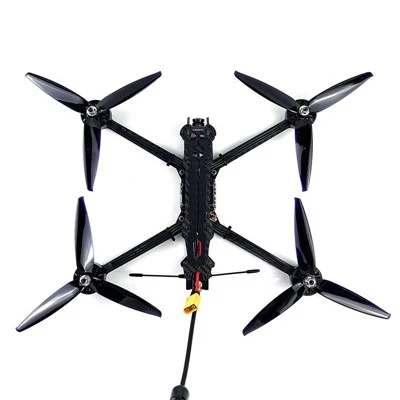
Let’s start with the basics. FPV, or First – Person View, is all about experiencing the flight as if you were sitting right in the cockpit of the drone. It’s an immersive way to fly, and 13 – inch FPV drones are quite popular for their balance of size, power, and maneuverability.
Sunny Days
Sunny days are, hands down, the most ideal time to fly a 13 – inch FPV drone. The visibility is great, so you can easily see where your drone is going. The clear skies mean there aren’t any major weather obstacles to worry about. Plus, sunlight usually means stable air conditions. You won’t have to deal with strong winds or sudden air disturbances.
The battery performance of our 13 – inch FPV drones is also better on sunny days. The lithium – polymer batteries we use work more efficiently in moderate temperatures, and a sunny day often provides just the right environment. You can expect longer flight times and more consistent power output. So, if you’re looking to do some long – range flights, capture some beautiful aerial shots, or just have some fun doing tricks, a sunny day is the time to do it.
Cloudy Days
Cloudy days are a bit of a mixed bag. On the upside, the reduced sunlight can actually make it easier to see the drone’s LED lights, which are crucial for orientation, especially when flying at a distance. Also, clouds can act as a natural diffuser, softening the light and making for some great photo and video opportunities.
However, cloudy days can sometimes bring unstable air masses. The air can be a little more turbulent, which might affect the drone’s stability. Our 13 – inch FPV drones are equipped with advanced stabilization systems, but strong air currents can still pose a challenge. It’s also important to note that the temperature on a cloudy day can vary. If it’s too cold, the battery performance might take a nosedive. So, on cloudy days, it’s a good idea to keep a close eye on the weather forecast and the drone’s behavior in the air.
Windy Conditions
Windy conditions are probably the most challenging weather situation for flying a 13 – inch FPV drone. Wind can have a huge impact on the drone’s flight path and performance. Even a moderately strong wind can push the drone off course, making it difficult to control.
Our 13 – inch FPV drones are built with a certain level of wind resistance. The larger size of the 13 – inch drones gives them a bit more stability compared to smaller models. The powerful motors and well – designed propellers are also engineered to counteract the effects of wind to some extent.
But there’s a limit. If the wind speed exceeds a certain threshold, say around 20 – 25 miles per hour, it’s really not advisable to fly. The drone might struggle to maintain altitude, and there’s a risk of it being blown away or crashing. Before flying in windy conditions, it’s essential to check the wind speed using a reliable weather app or a handheld anemometer. And if you do decide to fly, start with short flights and keep a close eye on how the drone is handling the wind.
Rainy and Wet Conditions
Rain and moisture are the enemies of any electronic device, and our 13 – inch FPV drones are no exception. Water can damage the delicate electronic components inside the drone, such as the flight controller, motors, and battery. Even a light drizzle can cause problems.
The propellers can also become less efficient when wet, which affects the drone’s lift and stability. And if water gets into the camera, it can ruin your FPV experience by blurring the view. So, it’s a big no – no to fly in the rain.
If you accidentally get your drone wet, it’s crucial to dry it off as soon as possible. Remove the battery and use a dry cloth to wipe down the exterior. Then, let it air – dry in a warm, dry place. But even after drying, there might still be some hidden water damage, so it’s a good idea to have the drone checked by a professional.
Humid Conditions
High humidity can also be a problem. Although it might not seem as obvious as rain, humidity can cause condensation inside the drone. Over time, this can lead to corrosion of the electronic parts and reduce the lifespan of the drone.
If you’re flying in a humid environment, make sure to store the drone in a dry place when not in use. You can also use silica gel packets in the storage case to absorb moisture. And after flying, give the drone a quick inspection to make sure there are no signs of moisture buildup.
Cold Weather
Cold weather can really take a toll on a drone’s battery. Lithium – polymer batteries, which are commonly used in our 13 – inch FPV drones, don’t perform well in low temperatures. The chemical reactions inside the battery slow down, which means less power output and shorter flight times.
In addition to battery issues, cold air is denser than warm air. This can affect the drone’s aerodynamics. The propellers have to work harder to generate lift in cold, dense air, which further drains the battery.
If you want to fly in cold weather, it’s a good idea to pre – warm the battery. You can do this by keeping it in an insulated container with a heat pack before the flight. Also, limit the flight time to avoid over – stressing the battery and the drone’s motors.
Hot Weather
On the other end of the spectrum, hot weather can also cause problems. High temperatures can cause the battery to overheat, which can lead to reduced performance and even damage. The plastic parts of the drone can also become soft and prone to deformation in extreme heat.
When flying in hot weather, make sure to give the drone and the battery enough time to cool down between flights. You can also use a heat – resistant case to protect the battery during storage. And keep an eye on the temperature readings of the drone’s components using the flight controller software.

So, can a 13 – inch FPV drone be flown in different weather conditions? The answer is yes, but with some caveats. Each weather condition presents its own set of challenges, and it’s important to take precautions to ensure a safe and enjoyable flight.
13 Inch FPV Drone If you’re interested in getting your hands on one of our high – quality 13 – inch FPV drones, we’d love to talk with you. Whether you’re a hobbyist looking for some fun or a professional in need of a reliable flying machine, we’ve got the product for you. Reach out to us to start the procurement process and discuss how our drones can meet your needs.
References
- "Drone Flight Manuals": Manufacturer’s guides on operating drones in various conditions.
- "Weather and Aviation Resources": General aviation literature on how weather affects flight.
- "Battery Technology Journals": Research on how different temperatures impact lithium – polymer battery performance.
Xpert Intelligent Equipment Co., Ltd.
Xpert Intelligent Equipment Co., Ltd. is one of the most experienced 13 inch FPV drone manufacturers and suppliers in China, also supports customized service. Please feel free to wholesale bulk discount 13 inch FPV drone in stock here from our factory. Quality products and reasonable price are available.
Address: Building 3, No. 65 Longhu Road, Longdong Community, Baolong Street, Longgang District, Shenzhen
E-mail: winnie@xpfpv.com
WebSite: https://www.xpfpv.com/
