In the intricate landscape of process control systems, every component plays a pivotal role in ensuring smooth, efficient, and safe operations. Among these components, the pilot lamp stands out as a simple yet indispensable device. As a supplier of pilot lamps, I’ve witnessed firsthand the far – reaching impact these small lights have on various industries. In this blog, I’ll delve into the importance of pilot lamps in process control systems, exploring their functions, benefits, and real – world applications. Pilot Lamp
1. Basic Functions of Pilot Lamps in Process Control Systems
Pilot lamps serve as visual indicators within process control systems. Their primary function is to provide operators with clear and immediate information about the status of a system, a machine, or a specific process.
1.1 Status Indication
One of the most fundamental roles of a pilot lamp is to indicate whether a system is operational or not. For example, in a manufacturing plant, a green pilot lamp might be used to show that a production line is running smoothly, while a red lamp could signal a fault or a shutdown. This simple visual cue allows operators to quickly assess the situation without having to consult complex control panels or digital displays.
1.2 Alarm Signaling
Pilot lamps are also crucial for alarm signaling. When an abnormal condition occurs in a process control system, such as a temperature exceeding a safe limit or a pressure drop, a dedicated pilot lamp can be programmed to light up. This alerts operators to take immediate action, preventing potential disasters or costly downtime.
1.3 Process Progression Indication
In some cases, pilot lamps are used to indicate the progression of a process. For instance, in a chemical processing plant, different colored lamps can be used to show the various stages of a reaction, from the initial mixing to the final product. This helps operators monitor the process flow and ensure that each step is completed correctly.
2. Benefits of Using Pilot Lamps in Process Control Systems
2.1 Enhanced Safety
Safety is a top priority in any process control system. Pilot lamps contribute significantly to safety by providing clear visual signals. In hazardous environments, such as oil refineries or power plants, operators need to be able to quickly identify potential dangers. A well – placed pilot lamp can alert them to issues like leaks, overheating, or electrical faults, allowing them to take appropriate safety measures.
2.2 Improved Efficiency
Efficiency is another key benefit of using pilot lamps. By providing instant visual feedback, operators can make informed decisions more quickly. They can avoid unnecessary delays in troubleshooting and keep the production process running smoothly. For example, if a pilot lamp indicates a minor issue with a machine, operators can address it immediately, preventing it from escalating into a major problem that could halt production.
2.3 Ease of Use
Pilot lamps are extremely easy to use. Unlike some complex digital displays that may require extensive training to understand, a simple colored light is intuitive and can be understood by anyone. This makes them suitable for a wide range of operators, regardless of their technical expertise.
2.4 Cost – Effectiveness
From a financial perspective, pilot lamps are a cost – effective solution. They are relatively inexpensive to purchase and install, and they have a long lifespan. Compared to more advanced monitoring systems, pilot lamps require less maintenance and can provide reliable visual indication for many years.
3. Real – World Applications of Pilot Lamps in Process Control Systems
3.1 Manufacturing Industry
In the manufacturing industry, pilot lamps are used extensively on production lines. They are used to indicate the status of individual machines, such as whether they are powered on, in operation, or experiencing a fault. For example, in an automotive assembly plant, pilot lamps can show if a particular robot is functioning correctly or if there is a problem with a conveyor belt.
3.2 Power Generation
In power generation plants, pilot lamps are crucial for monitoring the status of various equipment. They can indicate the on/off status of generators, the level of coolant in a cooling system, or the presence of a fault in the electrical distribution network. In a nuclear power plant, pilot lamps are used to provide visual cues about the reactor’s status, ensuring the safety of the plant and its personnel.
3.3 Chemical Processing
In chemical processing plants, pilot lamps are used to monitor chemical reactions, the level of chemicals in tanks, and the operation of pumps and valves. For example, a pilot lamp can indicate if a chemical is being added at the correct rate or if there is a blockage in a pipeline. This helps prevent chemical spills and other dangerous situations.
3.4 Transportation
In the transportation industry, pilot lamps are used in control systems for trains, airplanes, and ships. They can indicate the status of critical systems such as engines, brakes, and navigation equipment. For example, in an airplane cockpit, pilot lamps are used to alert the flight crew to issues like low fuel, engine malfunctions, or instrument failures.
4. Our Pilot Lamps: Quality and Customization
As a pilot lamp supplier, we understand the diverse needs of different industries. That’s why we offer a wide range of pilot lamps with various features and specifications.
4.1 High – Quality Materials
Our pilot lamps are made from high – quality materials to ensure long – term reliability. We use durable plastics and high – intensity LEDs to provide bright and consistent illumination. Our lamps are also resistant to dust, moisture, and vibration, making them suitable for use in harsh industrial environments.
4.2 Customization Options
We offer customization options to meet the specific requirements of our customers. Whether you need a particular color, size, or mounting style, we can work with you to create a pilot lamp that fits your needs. We also provide custom labeling and marking services to ensure that your pilot lamps are clearly identified.
4.3 Technical Support
We provide comprehensive technical support to our customers. Our team of experts can help you select the right pilot lamp for your application, provide installation instructions, and offer troubleshooting advice. We are committed to ensuring that our customers are satisfied with our products and services.
5. Conclusion and Call to Action
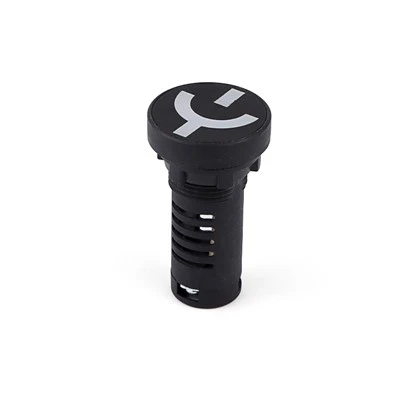
In conclusion, pilot lamps are an essential component of process control systems. They provide clear visual indication of system status, enhance safety, improve efficiency, and offer a cost – effective solution. Whether you are in the manufacturing, power generation, chemical processing, or transportation industry, our high – quality and customizable pilot lamps can meet your needs.
Copper Cable Lug If you are looking for a reliable pilot lamp supplier, we invite you to reach out to us. Our team is ready to discuss your requirements and provide you with the best solutions for your process control systems. Contact us today to start a conversation about your pilot lamp needs.
References
- "Process Control Instrumentation Technology" by Curtis D. Johnson.
- "Industrial Automation and Control" by David A. Bell.
- "Electrical Control for Machines" by Thomas J. Gorman.
Wenzhou Lanen Electrical Co., Ltd.
Wenzhou Lanen Electrical Co., Ltd. is one of the most professional pilot lamp manufacturers and suppliers in China, also supports customized service with low price. Please feel free to buy CE approved pilot lamp made in China here from our factory. Contact us for more discount information.
Address: Zhiguang Liushi Town Yueqing City Wenzhou City Zhejiang Province
E-mail: lanen@luyele.cn
WebSite: https://www.lanenelectrical.com/
