Hey there! I’m a supplier of bicycle inner tubes. You might be wondering, “What is the price of a bicycle inner tube?” Well, it’s not as straightforward as you might think. Let’s dig into this topic and find out what influences the cost of these essential bike parts. Bicycle Inner Tube
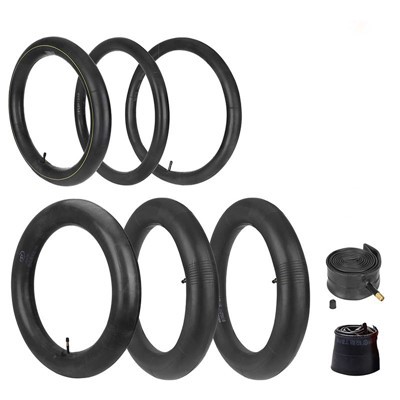
First off, the type of bicycle greatly affects the price of the inner tube. Road bikes often need thinner, lighter inner tubes. These are designed to reduce weight and offer less rolling resistance, which is crucial for speed. Since they require more precise manufacturing and higher – quality materials, they’re usually more expensive. You can expect to pay anywhere from $5 to $15 for a decent road bike inner tube.
On the other hand, mountain bikes need sturdier inner tubes. They have to withstand rough terrains, sharp rocks, and sudden impacts. These inner tubes are thicker and made of more durable rubber compounds. The price range for mountain bike inner tubes is typically between $6 and $20. The extra cost is worth it, though, because you don’t want to be changing a tube in the middle of a rocky trail.
City bikes and commuter bikes fall somewhere in between. Their inner tubes don’t need to be as lightweight as road bike tubes or as tough as mountain bike tubes. You can find good – quality city bike inner tubes for around $4 to $12. These are great for everyday rides to work or around town.
The size of the inner tube also plays a huge role in determining its price. Smaller tubes, like those for kids’ bikes, are generally cheaper. They use less material, so it makes sense they cost less. You can pick up a kids’ bike inner tube for as little as $2 to $5.
Larger tubes for adult bikes, especially those with bigger diameters or wider widths, are more expensive. A wider inner tube means more rubber, and more rubber means a higher cost of production. So, if you have a big – wheeled bike or a bike with fat tires, you might end up spending more on the inner tube.
Material quality is another important factor. Inner tubes can be made from different types of rubber. Butyl rubber is a popular choice. It’s known for its excellent air – retention properties. Tubes made from butyl rubber tend to hold air longer, so you don’t have to pump them up as often. These high – quality tubes usually cost a bit more, but they’re worth the investment in the long run. You can expect to pay an extra $2 to $5 for a butyl rubber inner tube compared to a standard rubber one.
Some inner tubes also come with special features. For example, there are puncture – resistant inner tubes. These have an extra layer of protection that helps prevent flats. They’re a great option if you ride on rough roads or areas with lots of debris. However, this added protection comes at a cost. Puncture – resistant inner tubes can be $3 to $8 more expensive than regular tubes.
Then there’s the brand. Well – known brands often charge more for their inner tubes. They’ve built a reputation for quality and reliability, and they invest a lot in research and development. But that doesn’t mean you have to break the bank to get a good inner tube. There are plenty of lesser – known brands that offer high – quality products at a more affordable price. You just have to do a bit of research and read some reviews.
Now, as a supplier, I’ve seen all kinds of factors that affect the price of bicycle inner tubes. Market demand is a big one. During peak cycling seasons, like summer, the demand for inner tubes goes up. When demand is high, prices tend to follow. On the other hand, during the off – season, you might be able to find some great deals on inner tubes.
The cost of raw materials also impacts the price. If the price of rubber goes up, the cost of manufacturing inner tubes increases, and that cost is usually passed on to the consumer. Fluctuations in the global market, such as changes in oil prices (since rubber production is related to the petrochemical industry), can have a significant effect on the price of inner tubes.
Shipping and distribution costs are also part of the equation. If you’re buying inner tubes from a supplier overseas, you’ll have to factor in shipping fees. These can vary depending on the distance, the volume of your order, and the shipping method you choose. Sometimes, it might be cheaper to buy from a local supplier to avoid these extra costs.
As a supplier, I try to offer the best value for money. I work with different manufacturers to get the most cost – effective products without compromising on quality. I understand that you, as a buyer, are looking for a good balance between price and performance.
So, what’s the bottom line? The price of a bicycle inner tube can range from as low as $2 for a basic kids’ tube to as high as $20 or more for a high – end, puncture – resistant, butyl rubber tube for a mountain bike. It really depends on the type of bike, the size of the tube, the material quality, any special features, and other market – related factors.
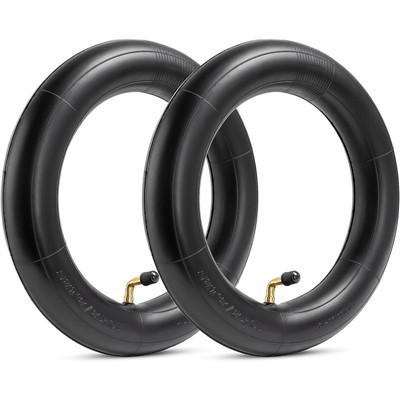
If you’re in the market for bicycle inner tubes, whether you’re a bike shop owner looking to stock up or an individual rider in need of a replacement, I’d love to talk to you. I can offer you a wide range of options to suit your needs and budget. Contact me to discuss your requirements, and let’s work together to find the perfect inner tubes for you.
E-Bike Inner Tube References
- "The Bicycle Manual: Everything You Need to Know to Buy, Maintain, and Repair Your Bicycle"
- "Bicycling Magazine" articles on bike parts and pricing
Jiangxi Vimia Tyre Co., Ltd.
We’re well-known as one of the leading bicycle inner tube manufacturers and suppliers in China. We warmly welcome you to wholesale bulk high quality bicycle inner tube in stock here from our factory. If you have any enquiry about quotation, please feel free to email us.
Address: Zone C, Industrial Park, Jinxi County, Fuzhou City, Jiangxi Province
E-mail: 17779452635@139.com
WebSite: https://www.cnvimia.com/
