Hey there! I’m in the installation cable supply business, and one question I get a lot is, "What is the dielectric strength of an installation cable?" Well, let’s break it down in simple terms. Installation Cable
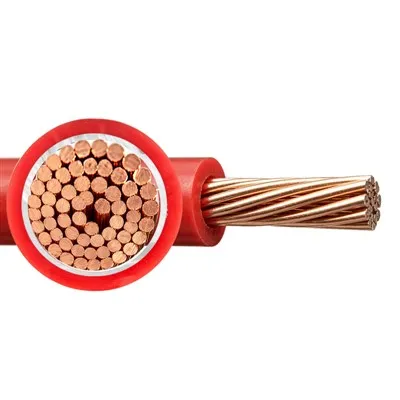
First off, dielectric strength is kind of a big deal when it comes to cables. You can think of it as the cable’s ability to resist electrical breakdown. In a nutshell, when you’ve got an electrical current flowing through a cable, there’s a certain amount of voltage that the insulation around the cable can handle before it starts to fail. That maximum voltage is what we call the dielectric strength.
Let’s say you’ve got a cable with a low dielectric strength. If you try to push too much voltage through it, the insulation might break down. When that happens, it can lead to all sorts of problems. You could get short – circuits, which are not only a pain to fix but can also be a safety hazard. There’s a risk of electrical fires or even electrocution, which are definitely things we want to avoid.
So, how is dielectric strength measured? It’s usually expressed in volts per unit thickness, like volts per millimeter. For example, if a cable has a dielectric strength of 20,000 volts per millimeter, it means that for every millimeter of insulation thickness, the cable can withstand up to 20,000 volts before the insulation breaks down.
Now, different types of installation cables have different dielectric strengths. It depends on a few factors. One of the main ones is the material used for the insulation. Some insulation materials are just better at resisting electrical breakdown than others. For instance, polyethylene is a common insulation material in cables. It has a pretty good dielectric strength, which makes it suitable for a lot of applications. On the other hand, rubber – based insulation might have a different dielectric strength, and it’s often used in more flexible cable designs.
The way the cable is manufactured also plays a role. If the insulation has any flaws or impurities during the manufacturing process, it can lower the dielectric strength. A tiny void or a foreign particle in the insulation can create a weak spot where electrical breakdown is more likely to occur. That’s why quality control is so important in cable production. At our company, we have strict quality control measures in place to make sure our cables have the right dielectric strength.
The environment where the cable will be installed is another factor. If the cable is going to be in a high – humidity area, for example, the dielectric strength might be affected. Moisture can seep into the insulation and reduce its ability to resist electrical breakdown. Similarly, extreme temperatures can also have an impact. High temperatures can cause the insulation to degrade over time, which will lower the dielectric strength.
Why should you care as a customer? Well, if you’re using cables in an electrical installation, you want to make sure they can handle the voltage requirements of your system. If you choose a cable with a dielectric strength that’s too low for your application, you’re asking for trouble. You might end up with frequent cable failures, and that can be expensive to fix. You could also be putting your equipment and your people at risk.
On the other hand, if you choose a cable with a higher dielectric strength than you actually need, you might be paying more than you have to. That’s why it’s important to understand your specific requirements and choose the right cable accordingly.
Now, let’s talk about how we, as an installation cable supplier, can help you with this. We’ve got a wide range of cables with different dielectric strengths. Whether you’re working on a small residential project or a large industrial installation, we’ve got something for you. Our team of experts can help you figure out the right cable for your needs. We’ll take into account factors like the voltage of your system, the environment where the cable will be installed, and your budget.
We also offer testing services. Before you buy a large quantity of cables, we can test the dielectric strength of a sample to make sure it meets your requirements. This gives you peace of mind, knowing that you’re getting a quality product.
If you’re not sure which cable is right for you, don’t worry. Just reach out to us. We’re here to help you make the best decision for your project. Whether you need a cable with a high dielectric strength for a high – voltage application or a more cost – effective option for a low – voltage system, we can find the perfect fit for you.
In conclusion, understanding the dielectric strength of an installation cable is crucial for a safe and efficient electrical installation. And as an experienced installation cable supplier, we’re here to make sure you get the right cable for your needs. So, if you’re in the market for installation cables, give us a shout. Let’s have a chat about your project and see how we can work together to get it done right.
Control Cable Low Voltage References
- Electrical Engineering Handbook by Richard C. Dorf
- Cable Technology – An Introduction by Robert Lyons
Yangzhou Huayu Cable Co., Ltd.
Address: No. 9 Jingang Road, Yangzhou City, Jiangsu Province, China
E-mail: huayucableco@126.com
WebSite: https://www.huayucabletech.com/
