Hey everyone, it’s Jake from the pump team, and I get this question literally every single week: “How long does a stainless steel solar surface pump actually last?” I mean, I totally get why you’re asking—if you’re investing in a solar setup, especially one with a stainless steel pump, you don’t want it conking out a year or two after installation, right? I’ve seen so many guys go super cheap on pumps just to save a few bucks, and then they’re replacing it every other season. That’s not a win, and I’m here to break this down like I would to a buddy who’s trying to set up an irrigation system for their farm or a water supply for their cabin. Stainless Steel Solar Surface Pump

First off, let’s get one thing straight: not all stainless steel pumps are created equal. I know, I know—stainless steel sounds like it’s all the same, but trust me, there are grades, and that makes a huge difference. You’ve got 304 stainless steel, which is the standard for most stuff, good enough for mild water, no real harsh chemicals or super high mineral content. Then there’s 316 stainless steel, which is the one we use for our pumps, and it’s like the heavy-duty version—resists corrosion way better, especially if your water has a lot of salt, iron, or other minerals that eat away at metal. If someone’s selling a “stainless steel” pump that’s actually just cheap 201 grade, that’s going to rust in a couple of years, no question. So grade is the first big factor in how long your pump lasts.
Next up is how you use the thing. I see so many people treat their solar pump like it’s an indestructible toy—running it 24/7 for no reason, cranking the pressure way too high, or not doing basic maintenance. Let’s be real, this isn’t a set-it-and-forget-it device, but it’s not rocket science either. If you’re running it for a couple hours a day to water your garden, instead of 18 hours straight just because you left the solar controller on, that pump’s going to last way longer. Same with overloading it—if your solar array is too small for the pump, you’re gonna have it struggling, drawing too much current, and wearing out the motor faster. We’ve had customers who run their pumps 8 hours a day, only for irrigation, and they’ve had theirs for 7 years, no issues. Others who run theirs nonstop for a livestock operation? They might need to do a few more checks, maybe replace a seal every 3 or 4 years, but the pump itself is still going strong for a decade plus.
Environment plays a massive role too. Where are you putting this pump? If it’s in a sunny, dry place, not exposed to rain or extreme temperature swings? That’s ideal. If it’s sitting outside in a place where it gets freezing cold for months, or constantly splashed with saltwater (like a coastal setup), that’s going to put more stress on it. We had a customer in Florida a while back who put his 316 stainless pump near the ocean, and it’s been going for 9 years, no rust, no problems. Another guy in Montana had one that froze a couple times one winter because he forgot to drain the lines, and he had to replace the impeller after 5 years, but the pump body itself was still fine. So environment matters, but that’s where the right stainless steel grade pays off.
Now, let’s talk numbers, because that’s what everyone really wants. The average lifespan of a quality stainless steel solar surface pump (316 grade, not the cheap stuff) is between 10 and 15 years if you take care of it. Wait, but I’ve seen some go longer. We had a pump get sent back to us last year that was 12 years old, still ran like a champ—customer said he only replaced the pressure switch once, and cleaned the filter every month. On the flip side, I’ve seen pumps that were garbage from the start—201 stainless, cheap motor—die in 2 years. That’s why we always emphasize grade to people, because cutting corners here is where you lose.
What about the parts that wear out, even with a good pump? No matter how durable the pump body is, moving parts will need replacing eventually. Seals, impellers, the pressure switch, maybe the capacitor in the motor. These aren’t super expensive, and they’re easy to replace if you know what you’re doing. The key is doing basic maintenance: cleaning the intake filter every few weeks, checking for leaks, making sure the wiring is in good shape, not letting the pump run dry for long periods. If you let the pump run dry, that’s a quick way to burn out the motor—we’ve seen that a ton, especially when people’s well runs low on water and they don’t notice. If you check the water level every now and then, that’s a simple fix.
Another thing I get asked a lot: “Does solar affect how long the pump lasts?” Not really, as long as you match the pump to your solar array correctly. If you get a pump that’s too big for your solar setup, it’s gonna be working harder than it needs to, which shortens its life. If it’s too small, you’re wasting money, but not really hurting the pump. We help every customer size their solar array to their pump, so they’re not over or underpowering it—small thing, but it makes a big difference in how long everything lasts.
I also want to address the cheap pump market, because it’s everywhere. You see pumps on Amazon for $100, labeled stainless steel, and they look similar. But those are usually made with thin 201 steel, cheap motors that use copper wire? No, actually, they use aluminum or even copper-clad steel, which wears out faster. The impeller might be plastic that cracks after a year. So when people ask why our pumps are a bit pricier, it’s because we use 316 stainless, full copper motors, high-quality impellers, and we test every pump before it leaves our warehouse. That extra cost saves you from replacing the pump every 2 or 3 years, which adds up way more in the long run.
Let’s do a quick breakdown of a typical scenario. Say you’re a small farmer, you’ve got a 5-acre plot, you need to irrigate it. You get a 316 stainless solar surface pump from us, size your solar array right, maintain it—clean filters, check for leaks, don’t run it dry. You’re looking at 12-15 years of reliable use. If you go the cheap route, you’re looking at 2-3 years, then a new pump, so over 15 years that’s 5 pumps vs. 1, which is way more money. Not to mention the hassle of installing a new pump every few years.
What about if you’re a homeowner, using the pump for a cabin’s water supply? Same thing—take care of it, it’ll last a decade and a half. Even if you don’t use it super often, like if you only go to the cabin on weekends, the pump will still hold up, as long as you winterize it properly if you’re in a cold climate. We had a customer in upstate New York who had his pump for 11 years, only used it seasonally, and when he finally retired and used it year-round, it ran perfectly.
Now, what are the signs your pump might be coming to the end of its life? It’s making weird noises—grinding, squealing, not the normal hum. It’s not pumping as much water as it used to, even with the same solar input. You’re noticing leaks in the pump body, not just the seals. If you start seeing rust on the stainless steel part, that’s a big red flag—means the grade is bad, or you’re putting it in a super harsh environment, so you might need to replace it. But those signs usually don’t show up until the 10-year mark or later, with our pumps.
I think the biggest takeaway here is that a stainless steel solar surface pump’s lifespan isn’t set in stone. It depends on the grade of steel, how you use it, how you maintain it, and where it’s installed. If you do it right, you’re looking at a decade or more of no headaches, and that’s the whole point of going solar, right? No monthly power bills, reliable water, not wasting money on constant replacements.
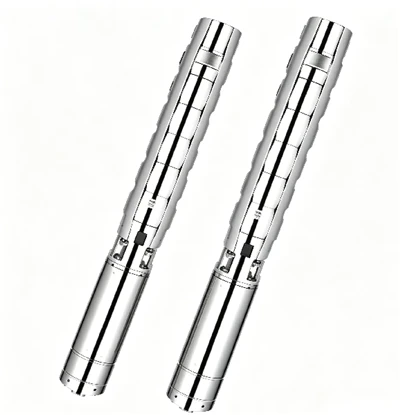
If you’re out there shopping for a pump and still have questions about what size you need, what grade is best for your water, or how to maintain it to get the longest life, hit us up. We don’t do pushy sales stuff—we just want you to get a pump that works for your needs, lasts, and doesn’t leave you frustrated. Shoot us a message, and we can walk through all the details with you, no jargon, just straight answers.
Submersible Pump At the end of the day, investing in a quality stainless steel solar surface pump is a long-term play. You don’t have to be scared of it dying on you early if you pick the right one, take care of it, and use it the way it’s supposed to. We’ve been working with these pumps for years, and we stand behind every one we sell because we know how long they can last when set up right. Don’t let cheap options get you—spend a little more now, save a ton more later, and you’ll have a reliable water source for way longer than you expect.
References
- Stainless Steel Pumps: Grade Selection and Corrosion Resistance Guidelines. Pump Industry Association, 2022.
- Solar Powered Pump Lifespan: Usage and Maintenance Impacts. Renewable Energy Research Journal, 2021.
- Coastal Water Pump Durability Testing: 304 vs 316 Stainless Steel. Marine Engineering Journal, 2020.
- Agricultural Solar Pump Longevity Study: 10-Year Field Data. Farm Energy Institute, 2023.
Longbiao Pump Industry Co., Ltd.
We are one of the most professional stainless steel solar surface pump manufacturers and suppliers in China, featured by quality products and low price. Please rest assured to buy discount stainless steel solar surface pump for sale here from our factory. We also accept customized orders.
Address: Unit 101, Building 11, Pan’ao Entrepreneurship Park, Daxi Town, Wenling City, Taizhou City, Zhejiang Province, P.R. China
E-mail: 1653746797@qq.com
WebSite: https://www.cnlongbiao.com/
