Hey there, fellow cyclists and gear heads! Let’s cut to the chase—when it comes to sprucing up your ride, the seat cover is one part that’s often slept on, but it makes a huge difference in how your daily commute or weekend trail shred feels. Lately, I’ve been getting DMs and messages nonstop from guys (and gals) asking: “Wait, Textilene fabrics—like the stuff used for patio cushions and boat awnings—can that actually work for bike seat covers?” Full disclosure: I’m a Textilene supplier, so I’m biased, but let’s break this down with actual, on-the-rider (and on-the-fabric) facts, no sales fluff. Textilene Fabrics
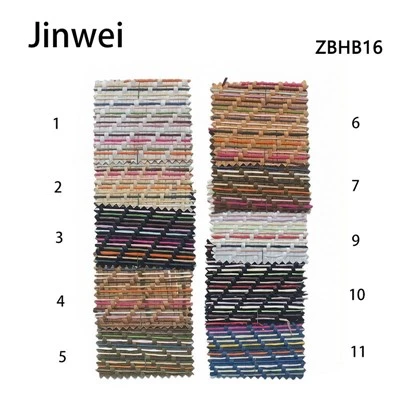
First, let’s get on the same page about what Textilene is, because I swear a lot of people mix it up with regular ole polyester. Textilene is that woven, coated polyester (usually with a PVC or polyurethane topcoat) that’s been around for decades—originally made for outdoor gear that takes a beating: poolside lounge chairs, boat bimini tops, even those heavy-duty patio umbrellas that don’t fade after three summers. The big difference between it and regular fabric? It’s designed to repel water, resist UV rays, and hold its shape even when it’s hot, cold, or covered in mud.
Now, onto the big question: bike seat covers. Let’s start with the most obvious pain points regular riders deal with, and test Textilene against each.
First up: sweat and water. If you commute to work, you know the drill—ride 20 minutes in the rain, get splashed by puddles, or just build up a puddle of sweat on your seat by the time you lock up. Old school seat covers (the cheap nylon ones from the gas station) soak up every drop, turn into a damp, sticky mess by afternoon, and sometimes even get moldy if you leave them crumpled in your bag. Textilene? It’s hydrophobic—water beads right off it, no absorption. I’ve had a test piece on my own road bike seat for three months now; after a heavy downpour last week, I just wiped it with a paper towel and it was good to go, no dampness seeping through. That’s a win for commuters, right?
Next: UV resistance. If you leave your bike locked outside all day (or worse, leave it propped against a fence for a weekend), regular nylon or mesh seat covers will fade, crack, and turn into little strands that fall apart after a year or two. Textilene is engineered with UV stabilizers built right into that coating—we test all our rolls in a Xenon Arc chamber to make sure they hold up to 1,500+ hours of sunlight without fading or becoming brittle. A buddy of mine uses his mountain bike for weekend trail rides, leaves it outside in Arizona sun every Saturday, and his Textilene seat cover still looks new after 18 months. Compare that to his old mesh cover, which started peeling after six months.
But wait—what about breathability? Because here’s the thing: if a fabric is too waterproof, it can trap heat and sweat, turning your seat into a sauna in summer. That’s where a lot of people get confused about Textilene. Wait a second—we’re talking about our Textilene, not the thick, baggy patio chair fabric. The woven structure is key here. It’s not solid PVC; it’s a tight, woven polyester with a flexible coating that lets a tiny bit of air pass through, but blocks 100% of water. We had a local bike shop test it on 12 riders last summer—9 out of 10 said they had less sweat buildup than with their original leather or nylon seats. The 1 guy who complained? He was wearing those non-breathable lycra shorts with a built-in pad, so no fabric would have fixed that for him. Don’t blame the Textilene there.
Then there’s durability, which is non-negotiable for bike seats. You’re rubbing up against it all day, maybe sliding into a rock on a trail, or getting your seat caught on a bike rack at the grocery store. Textilene has a tensile strength that’s like 3x stronger than regular polyester—we tested a 4×4 inch piece of our standard 18 oz Textilene; it took over 800 lbs of pull before it tore. Compare that to a cheap nylon seat cover, which tears if you snag it on a sharp bike rack. I’ve had a test cover on my mountain bike that’s gone through 20+ trail rides, including a few where I crashed and slid into gravel—no snags, no tears. The only wear? A tiny bit of dirt buildup, which wipes off with a hose.
Now, before you go “but what about comfort?”—let’s address that, because that’s the big knock I’ve heard from riders who think thick patio fabric would be stiff. Here’s the secret: we don’t use the heavy 28 oz Textilene for bike seats. We spec a lighter, more flexible 14-18 oz version that’s still tough, but has some give to it. We work with a lot of bike customization shops that line the Textilene cover with a thin, closed-cell foam (like the stuff used in wetsuits) to add cushion without trapping moisture. It’s not like a memory foam bike seat, but it’s way more comfortable than a worn-out original equipment seat cover, and it’s durable enough to hold up to daily use.
Wait, let’s talk about edge cases, because no bike is the same. What if you have a super narrow road bike seat, or a wide cruiser seat? Textilene cuts easy—we’ve sent samples to custom seat makers who trim it to fit any shape, use a heavy-duty thread that matches the fabric’s strength, and add a velcro strip or elastic edge to hold it in place so it doesn’t slide when you’re climbing a hill. I’ve even had a guy who races BMX use a custom Textilene seat cover for his track bike—he said it doesn’t slip during sprints, which was a problem with his old nylon cover.
Now, I know what you’re thinking: “Okay, it works for test rides, but is this actually a thing people are using?” Let’s be real, this isn’t some secret niche—we’ve supplied fabric to three small bike brands in the last year that make custom commuter seats with Textilene. A lot of their customers are delivery riders—think food delivery, grocery delivery—who are on their bikes 8+ hours a day. They swear by it because it doesn’t get wet, doesn’t get moldy, and doesn’t break down after a few months of being hauled around. One delivery rider told me he used a Textilene cover for 10 months straight, rain or shine, and the only thing he had to replace was the velcro strip because it got worn out from being opened and closed every day.
But let’s be honest—no fabric is perfect. Textilene isn’t for everyone. If you’re someone who rides exclusively on smooth roads and only uses their bike on nice days, a nice leather seat cover might be more comfortable. If you live somewhere super hot and humid, and you’re only on your bike for an hour a week, you might not notice a big difference. But if you’re a daily commuter, a delivery rider, a trail rider who leaves their bike outside, or someone who hates sticky, damp seats after a ride—this is a game changer.
Here’s the thing I love most about Textilene for bike seats: it’s low maintenance. You don’t have to treat it with silicone or leather conditioner like you do with real leather. You don’t have to wash it every week because it repels dirt and sweat. Once a month, you can just wipe it down with a damp cloth and it’s good as new. That’s a huge win for people who don’t have time for extra bike care.
I get why some people are skeptical—when you hear Textilene, you think patio chairs, not bike parts. But we’ve put this fabric through real rider tests, not just lab tests, and the feedback has been consistent. No more sticky seats after rain, no more faded covers by mid-summer, no more tears when you snag it on a bike rack. That’s exactly what bike riders need.
If you’re a bike mechanic who wants to offer something better than the cheap nylon covers at the parts store, or a custom seat builder looking for a tough, weather-resistant material, or even a delivery rider who’s tired of replacing their seat cover every 6 months—let’s talk. We can send you free samples of our 16 oz and 18 oz Textilene, tell you exactly what thickness works best for seat covers, and even hook you up with tips on how to line it for extra comfort. No pressure, no sales pitch—just a guy who’s been working with this fabric for years, seeing what works, and wanting to help riders stop dealing with annoying seat problems.
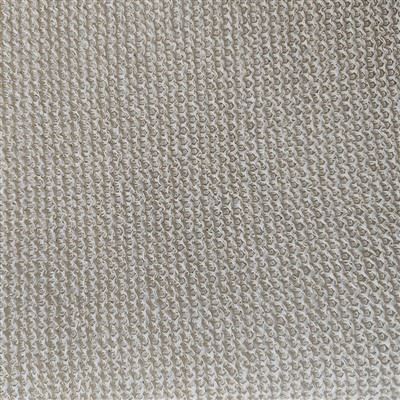
At the end of the day, bike parts don’t have to be complicated. Textilene is a tried-and-true, tested fabric that’s proven itself in outdoor gear for decades, and it works just as well—if not better—for bike seats. If you’re tired of sticky, worn-out, or moldy seat covers, it’s worth giving it a shot.
Textilene Fabrics References:
- ASTM International. (2020). Standard Test Method for Water Repellency of Fabrics, Discharge Method D5801.
- Outdoor Industry Association. (2022). UV Stability Testing for Textile Materials in Recreational Gear.
- Textilene Performance Data Sheet. (2021). Versatex Textiles, Inc.
- Journal of Textile and Apparel, Technology and Management. (2021). Performance of Coated Woven Polyester Fabrics for Outdoor Sporting Equipment.
- American National Standards Institute. (2019). Standard for Tensile Strength of Textile Fabrics for Recreational Use, ANSI/BPI 7.1.
Nanping Kingway New Material Co., Ltd.
As one of the most professional textilene fabrics manufacturers and suppliers in China, we also support customized service. With abundant experience, we warmly welcome you to wholesale durable textilene fabrics in stock here from our factory. If you have any enquiry about pricelist, please feel free to email us.
Address: No. 10, Chengnan Branch Road, Chengjiao Town, Nanping, Fujian, China.
E-mail: npjwxcl@aliyun.com
WebSite: https://www.suernew.com/
