Hey there! I’m a supplier of food additive raw materials, and let me tell you, the world of food additives is super fascinating. Today, I want to chat about how these raw materials can totally change the taste of food. Food Additive Raw Materials

First off, let’s talk about what food additive raw materials are. They’re basically substances that are added to food to enhance its flavor, texture, appearance, or shelf – life. There are so many different types, like sweeteners, flavor enhancers, and acidulants.
Let’s start with sweeteners. We all love a bit of sweetness in our food, right? Well, there are natural sweeteners like sugar, honey, and stevia, and then there are artificial sweeteners like aspartame and sucralose. Natural sweeteners have their own unique taste profiles. Sugar, for example, gives a classic, clean sweetness. It dissolves easily in food and beverages, and it also has a bit of a caramelizing effect when heated, which can add a whole new layer of flavor to baked goods. Honey, on the other hand, has a more complex flavor. It can have floral, fruity, or even earthy notes depending on where the bees got the nectar from. It also has a thicker consistency, which can affect the texture of food as well as the taste.
Artificial sweeteners, though, are a different story. They’re much sweeter than sugar, sometimes hundreds of times over. That means you can use a tiny amount to get the same level of sweetness. Aspartame, for instance, is widely used in diet drinks. It gives a quick – hitting sweetness without all the calories of sugar. But some people say it has a bit of a aftertaste. Sucralose, however, is sort of a game – changer. It’s derived from sugar but is super sweet without the bad aftertaste that some other artificial sweeteners have. It can be used in a wide range of foods, from low – calorie desserts to sugar – free chewing gums, and it gives a very similar taste to sugar.
Now, flavor enhancers are another big deal. Monosodium glutamate (MSG) is probably the most well – known flavor enhancer. It’s been around for ages and is used in all sorts of cuisines, especially Asian cooking. MSG doesn’t really have a strong taste of its own, but what it does is boost the umami flavor in food. Umami is that savory, meaty, satisfying taste that you find in things like mushrooms, tomatoes, and Parmesan cheese. When you add a little bit of MSG to a dish, it can make the flavors pop. It’s like turning up the volume on the taste. For example, in a bowl of soup, a sprinkle of MSG can make the broth taste richer and more full – bodied.
There are also other flavor enhancers like yeast extracts. Yeast extracts are made from yeast, and they have a natural umami flavor. They’re often used in meat products, savory snacks, and sauces. They can add depth and complexity to the taste. For example, in a meatball, using a yeast extract can make the meat taste more flavorful and delicious. It’s kind of like a secret weapon in the food industry to make products more appealing.
Acidulants are also important when it comes to taste. Citric acid is a very common acidulant. It’s found naturally in citrus fruits like lemons and oranges. When added to food, it gives a tart, refreshing taste. You’ll find citric acid in things like soft drinks, candies, and jams. It can balance out the sweetness in a product, making it more palatable. For example, in a fruity candy, the citric acid makes the sweetness not too cloying. It adds that tangy kick that makes you want to keep eating.
Lactic acid is another acidulant. It’s produced by the fermentation of lactose and is used in dairy products, pickled foods, and some beverages. Lactic acid gives a mild, sour taste. In yogurt, for example, lactic acid is produced during the fermentation process by bacteria. This not only gives the yogurt its characteristic tangy flavor but also helps to preserve the product and gives it a thicker texture.
Now, let’s talk about some of the challenges and considerations when using food additive raw materials to affect taste. First of all, it’s all about balance. You don’t want to overdo it. For example, if you add too much artificial sweetener to a product, it can taste overly sweet and off – putting. You also need to think about the compatibility of different additives. Sometimes, using two or more additives together can create a synergistic effect, where the combination tastes better than either additive on its own. But other times, they might not work well together and can create a strange taste.
Another thing is consumer perception. Some people are wary of food additives, especially artificial ones. They might think that natural is always better. As a supplier, we need to be transparent about what we’re providing and educate consumers about the safety and benefits of food additive raw materials. For example, all the artificial sweeteners and flavor enhancers that are on the market have been thoroughly tested and approved by regulatory authorities. They’re safe to use within the recommended limits.
Also, different cultures have different taste preferences. What might be popular in one country might not be as well – received in another. For example, MSG is widely used and loved in many Asian countries, but in some Western countries, there’s been a bit of a stigma associated with it in the past. So, when developing products with food additive raw materials, it’s important to take these cultural differences into account.
In addition to taste, food additive raw materials can also affect the texture of food, which in turn can influence the overall taste experience. For example, thickeners like xanthan gum and carrageenan are used to give foods like sauces and dressings a thicker, creamier texture. This can make the food feel more satisfying in the mouth and can enhance the perception of flavor.
As a supplier of food additive raw materials, I know how important it is to provide high – quality products. We work closely with food manufacturers to understand their needs and develop the right solutions. Whether it’s creating a new low – calorie sweetener blend or finding the perfect flavor enhancer for a new snack product, we’re here to help.
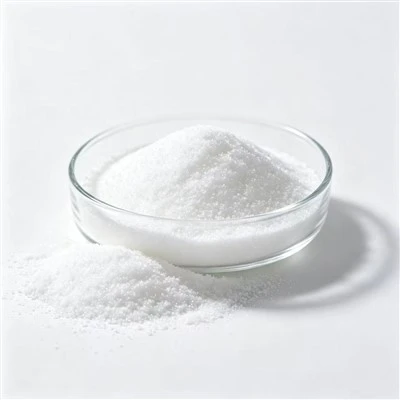
If you’re a food manufacturer or someone involved in the food industry and you’re looking for top – notch food additive raw materials to enhance the taste of your products, I’d love to have a chat with you. We have a wide range of products, and we can work together to create the perfect taste profile for your food. Just reach out to me, and we can start discussing your specific requirements.
Female Weight Loss Raw Materials References:
- "Food Additives: Chemistry, Function, and Safety" by Tanzira Sultana and Mohammad Atiqur Rahman
- "Handbook of Food Additive Regulations in the United States" edited by David S. Surak
Shandong Guanqing Food Ingredients Co., Ltd.
As one of the most professional food additive raw materials manufacturers and suppliers in China, we have world-leading production equipment and strong manufacturing capabilities. Please rest assured to buy high quality food additive raw materials for sale here from our factory.
Address: Room 101, Building 10, Phase II, Mingdu Garden (South Zone), Zhengshan Subdistrict, Linshu County, Linyi City, Shandong Province
E-mail: 18836528629@163.com
WebSite: https://www.guanqingbio.com/
