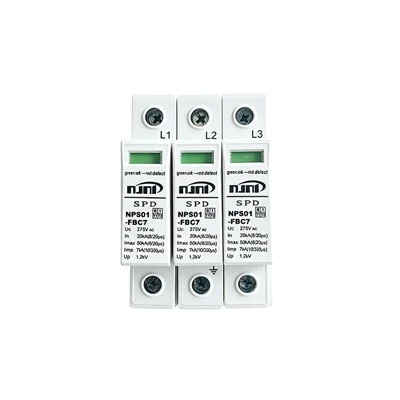
Yo, folks! I’m a supplier of Surge Protection Devices (SPDs), and I’m super stoked to chat with you about how these nifty gadgets protect against transients in the power grid. It’s like having a superhero on guard for your electrical systems, and I’m here to break it down for you. Surge Protection Device
What Are Transients in the Power Grid?
First things first, let’s talk about what we mean by "transients." In the world of electricity, transients are those sudden, short – lived spikes or dips in voltage. They’re like little electrical speed bumps on the power grid highway. These can happen for a bunch of reasons.
One of the most common causes is lightning strikes. When lightning hits, it sends a massive surge of electricity into the power grid. It’s like a cannonball slamming into a calm pond, creating huge ripples. And in the electrical system, those ripples are sudden voltage spikes that can fry your sensitive equipment.
Another culprit is the switching of large electrical loads. Think about industrial motors, transformers, or even large air – conditioning units. When these things turn on or off, they cause a sudden change in the electrical current, which can lead to voltage transients. It’s like when a big truck suddenly brakes or accelerates on a busy road; it causes a disturbance.
How SPDs Work to Protect Against Transients
Now, let’s dive into how our Surge Protection Devices come to the rescue. SPDs are like the bouncers of the electrical world. They stand guard at the entrance of your electrical system and decide what gets in and what gets turned away.
SPDs are designed to detect these sudden voltage changes. They have special components that can sense when the voltage goes above or below a certain level. When they detect a transient, they quickly switch themselves on in a fraction of a second.
There are a few key components inside an SPD that do this job. One of the main ones is the Metal – Oxide Varistor (MOV). The MOV is like a variable resistor. Under normal voltage conditions, it has a high resistance, so it doesn’t interfere with the normal flow of electricity. But when a transient hits and the voltage spikes, the MOV’s resistance drops dramatically. It’s like opening a floodgate, allowing the excess electrical energy from the transient to flow safely to the ground, away from your valuable equipment.
Another component you might find in some SPDs is the Gas Discharge Tube (GDT). The GDT works in a similar way. It’s filled with an inert gas. When a high – voltage transient occurs, the gas inside the tube ionizes, creating a conductive path for the excess current to flow away. It’s like creating a bypass for the electrical "traffic" during a voltage surge.
Different Types of SPDs for Different Needs
We don’t have a one – size – fits – all approach when it comes to SPDs. Just like you wouldn’t wear the same shoes for a hike and a dance party, different electrical systems need different types of SPDs.
There are Type 1 SPDs, which are designed for the most extreme transient protection. These are usually installed at the main electrical service entrance of a building. They’re built to handle the big punches, like direct lightning strikes. If a lightning bolt hits near your building, a Type 1 SPD will step up and take the brunt of the surge, protecting everything inside.
Type 2 SPDs are more commonly used for secondary protection. They’re installed further downstream in the electrical distribution system, like at the main distribution panels in a building. They’re great at handling the smaller, but still potentially damaging, transients that might get past the Type 1 SPD or that are generated within the building itself.
Type 3 SPDs are for protecting sensitive electronic equipment. You’ll often find them right next to things like computers, TVs, or other digital devices. They’re like the bodyguards for your delicate electronics, shielding them from those tiny voltage fluctuations that could cause malfunctions or long – term damage.
Real – World Examples of SPDs in Action
I’ve seen firsthand how SPDs can save the day. I remember working with a small business owner who was having problems with his computer systems crashing randomly. After some investigation, we found out that there were small voltage transients in the power grid caused by the neighboring industrial facility’s large equipment switching on and off.
We installed a Type 3 SPD near each of his computers. And let me tell you, it was like night and day. The random crashes stopped, and his business operations ran smoothly again. He was so happy he couldn’t stop thanking us.
Another time, we worked on a large office building. There was a big thunderstorm, and lightning struck nearby. Thanks to the Type 1 and Type 2 SPDs we had installed, the electrical system in the building remained intact. The lights stayed on, and all the equipment inside kept running. It was a great example of how a properly installed SPD system can protect a huge investment.
Why You Need an SPD
If you’re still on the fence about whether you need an SPD, let me give you a few more reasons.
First of all, it’s all about protecting your equipment. Electrical transients can fry circuit boards, ruin motors, and cause all sorts of expensive damage to your electronics. By installing an SPD, you’re essentially insuring your equipment against these unpredictable voltage spikes.
Secondly, it’s about reliability. In today’s world, we rely on electricity for just about everything. Whether you’re running a business or just trying to enjoy your home entertainment system, you don’t want your devices to keep malfunctioning because of power surges. An SPD helps keep your electrical systems running smoothly, so you can focus on what really matters.
Lastly, it’s about safety. Electrical surges can not only damage your equipment but also pose a fire hazard. By diverting the excess electrical energy away from your systems, SPDs help reduce the risk of electrical fires, keeping you and your property safe.
Let’s Chat About Your SPD Needs
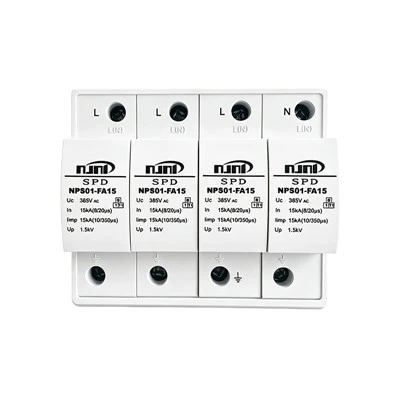
So, if you’re dealing with voltage transients or just want to protect your electrical systems, I’d love to talk to you. Whether you’re a homeowner, a small business owner, or part of a large industrial operation, we have the right SPD solution for you.
T1+T2 7KA Surge Protective Device I’m always here to answer your questions, provide advice on the best SPD for your situation, and get you set up with a high – quality, reliable product. Just reach out, and we can start the conversation about how we can keep your electrical systems protected.
References
- Blackburn, T. L., & Dommel, H. W. (1993). Digital simulation of electromagnetic transients. Marcel Dekker.
- Mitra, J. (2008). Power system transients: theory and applications. CRC Press.
- Wagner, C. F., & Evans, R. D. (1933). Symmetrical components. McGraw – Hill.
Nanjing Ningpu Lightning Protection Equipment Manufacturing Co., Ltd.
As one of the most professional surge protection device manufacturers and suppliers in China, we’re featured by quality products and good price. Please rest assured to buy customized surge protection device made in China here from our factory. Also, pricelist is available.
Address: Building 1, No.20 Shengyuan Road, Lishui Economic Development Zone, Nanjing City, Jiangsu Province, China
E-mail: 3796023563@qq.com
WebSite: https://www.npspd.com/
